RENIALA, LA MADRE DEL BOSQUE
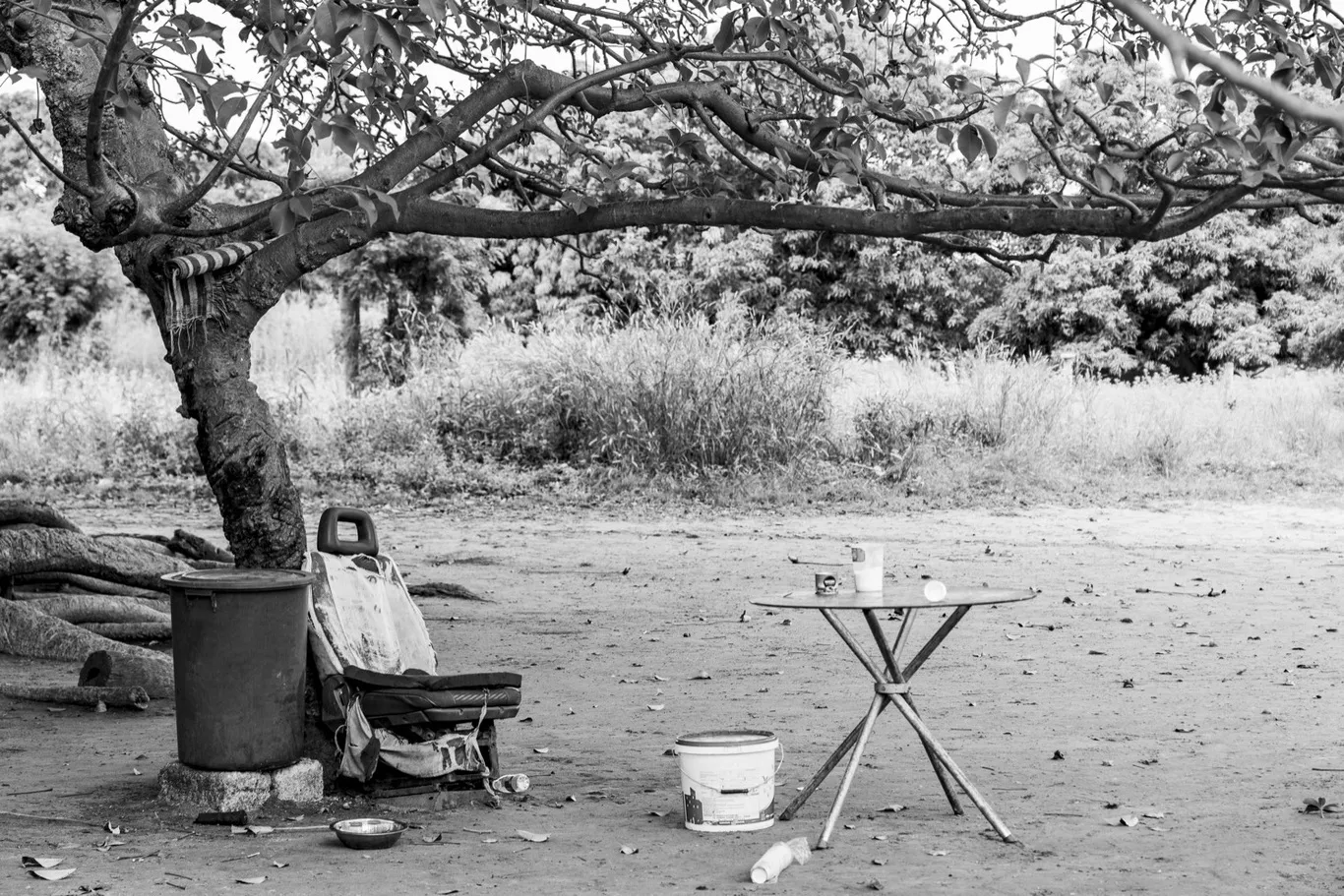
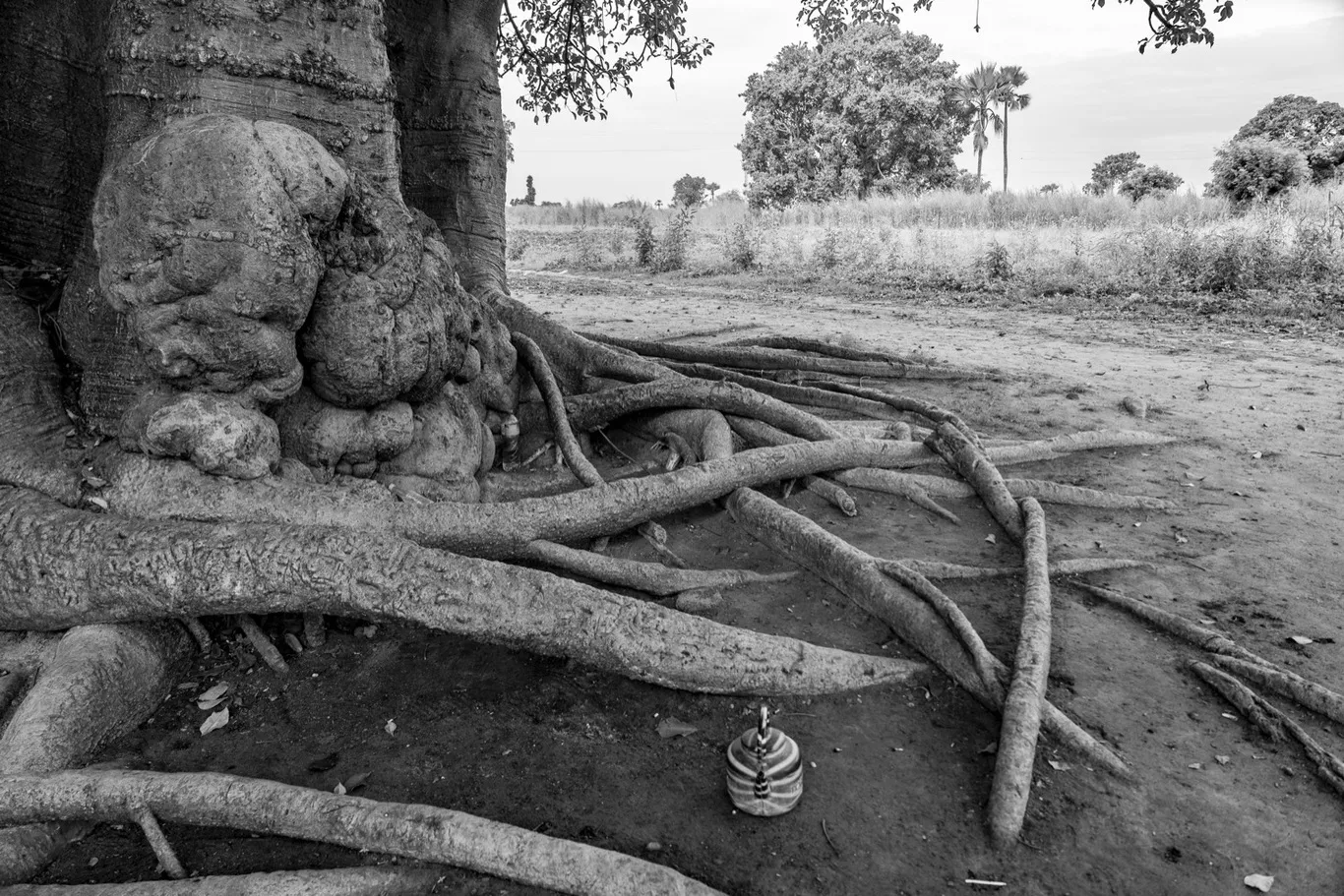
En la obra de Saleta Rosón, el paisaje opera como un archivo de huellas y transformaciones. La ausencia de figuras desplaza la atención hacia los indicios de una presencia que se manifiesta a través de la intervención sobre el territorio, y en sus fotografías explora los modos en que el entorno natural es habitado, alterado y sometido a distintas formas de apropiación. Esto hace visible una relación que se revela en la compleja relación entre la naturaleza y quienes la observan, la modifican y, con frecuencia, ponen en riesgo su frágil equilibrio.
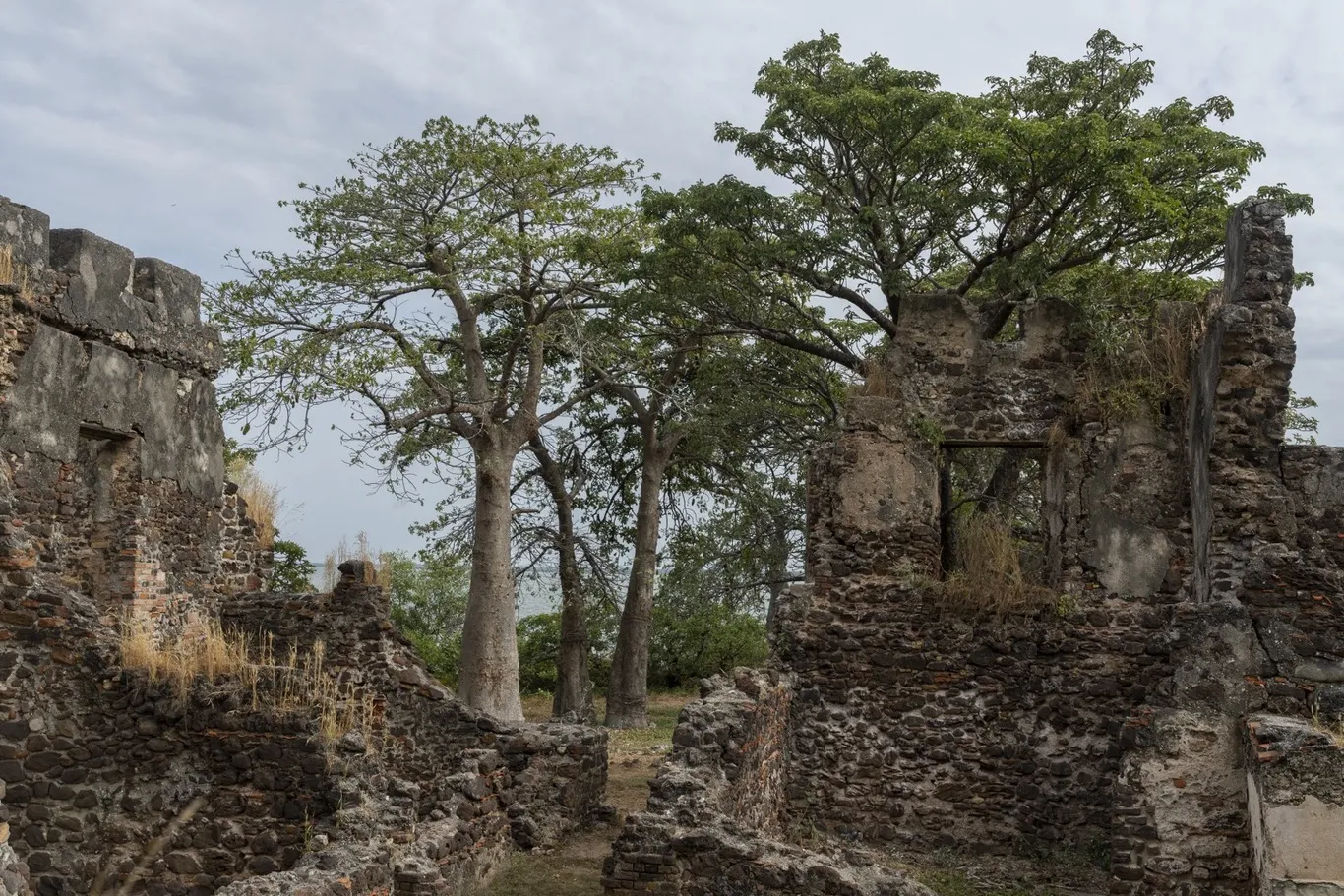
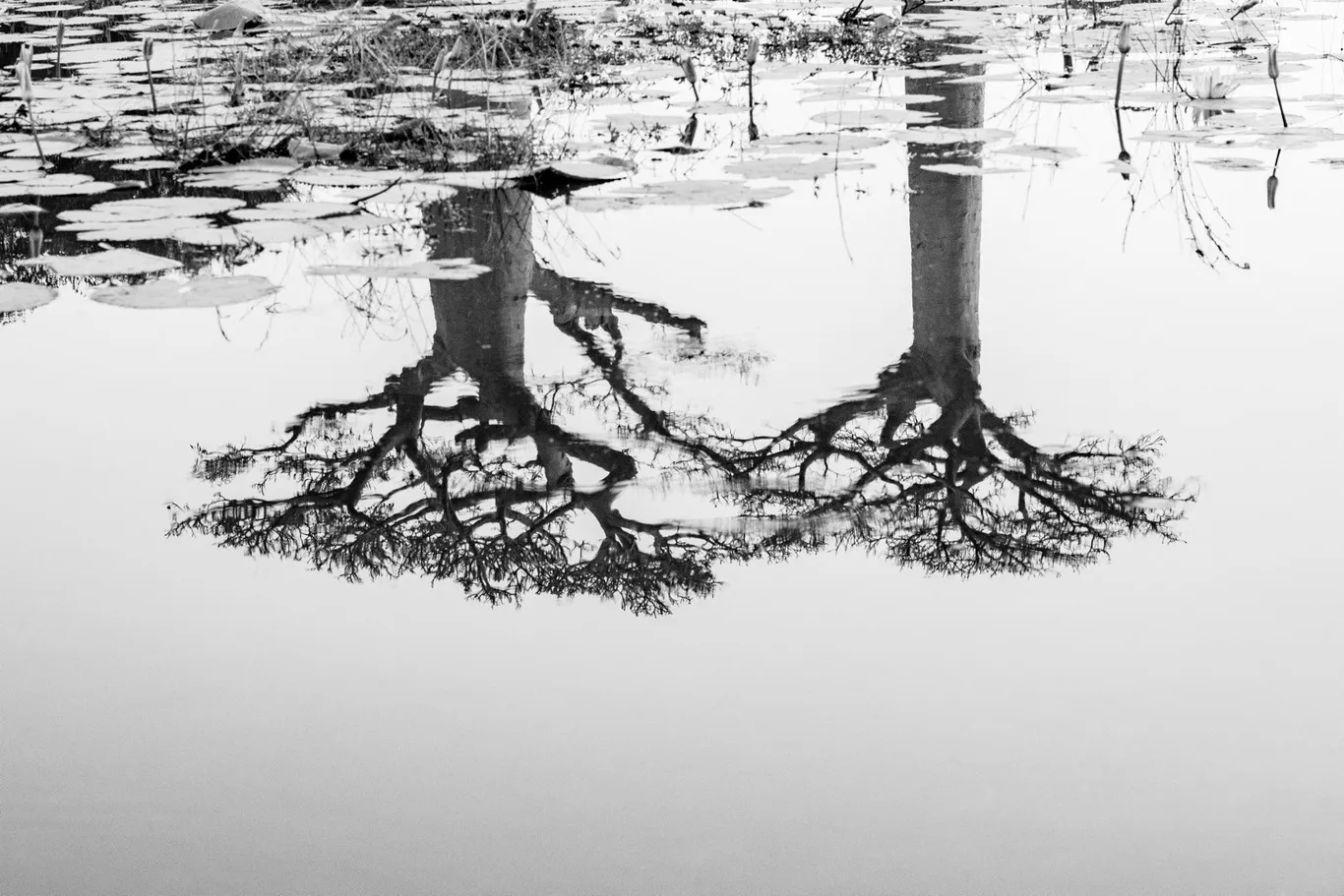
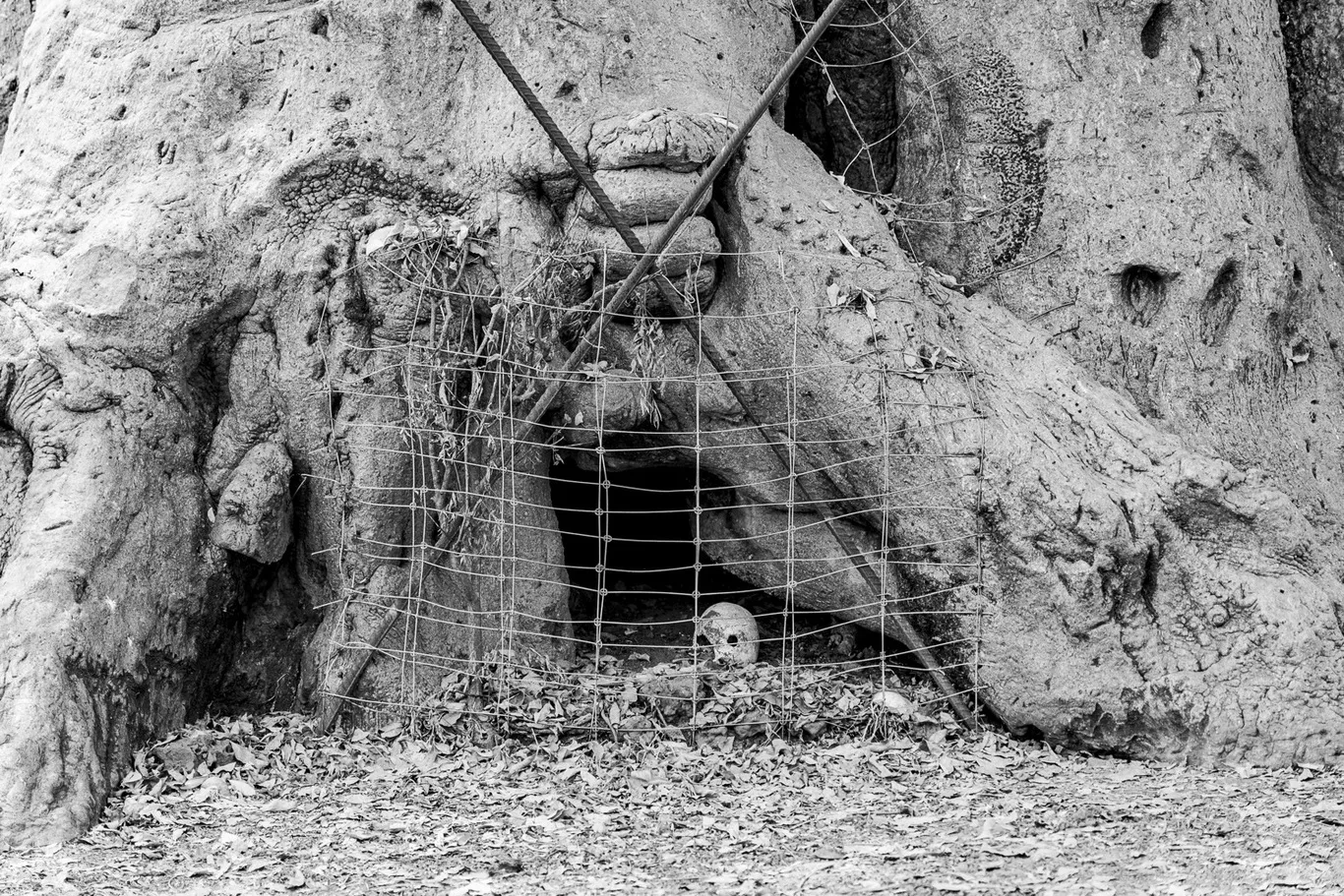
Esta ausencia de figuras humanas no implica vacío; muy al contrario, convierte al espectador en parte de la imagen y lo sitúa frente a preguntas que trascienden lo meramente paisajístico. Le invita a reflexionar sobre el tiempo y la memoria, sobre los mecanismos de ocupación y transformación del territorio, y sobre las formas en que el paisaje se configura como testigo silencioso de la historia, la cultura y el paso de las generaciones.
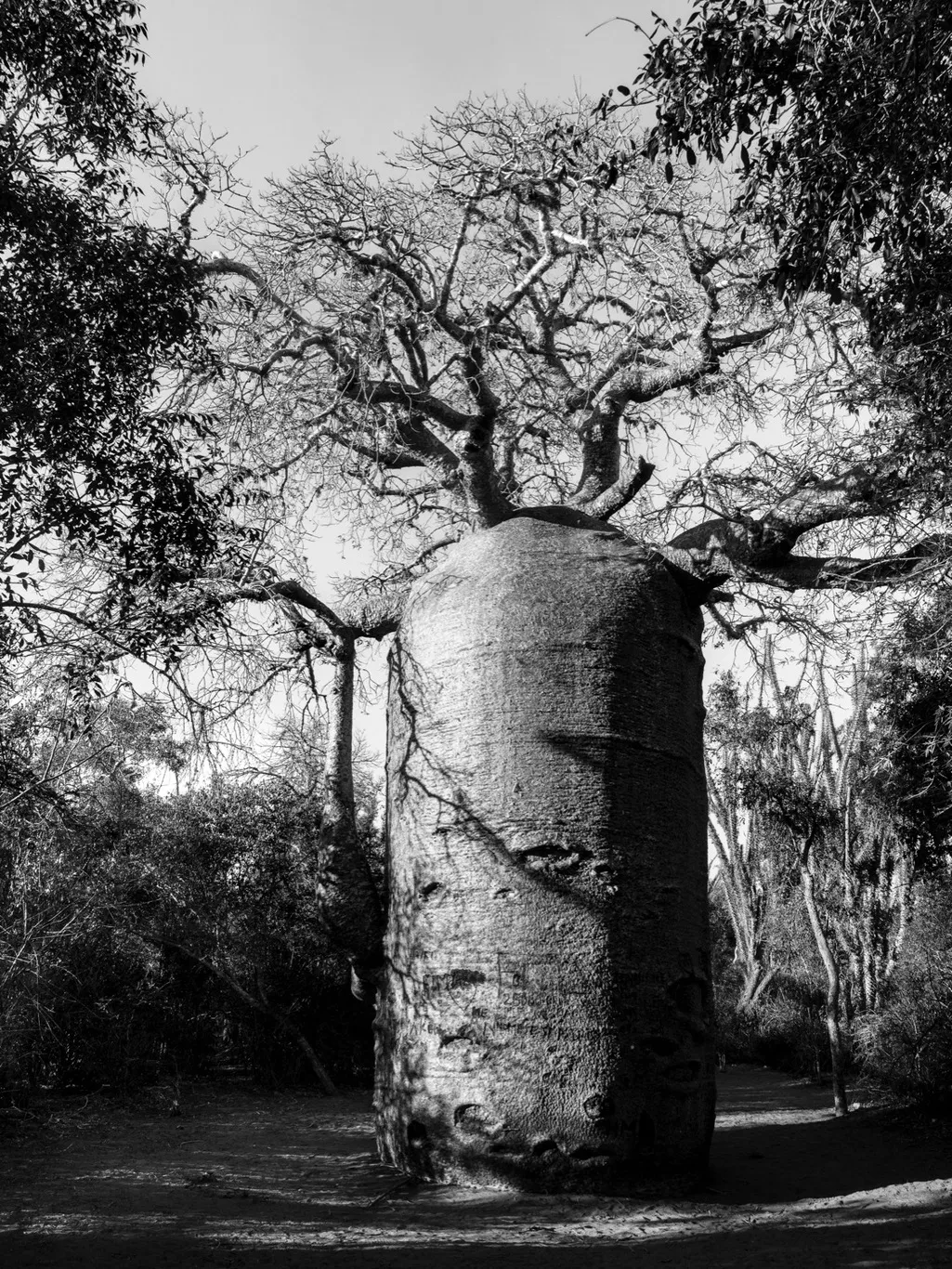
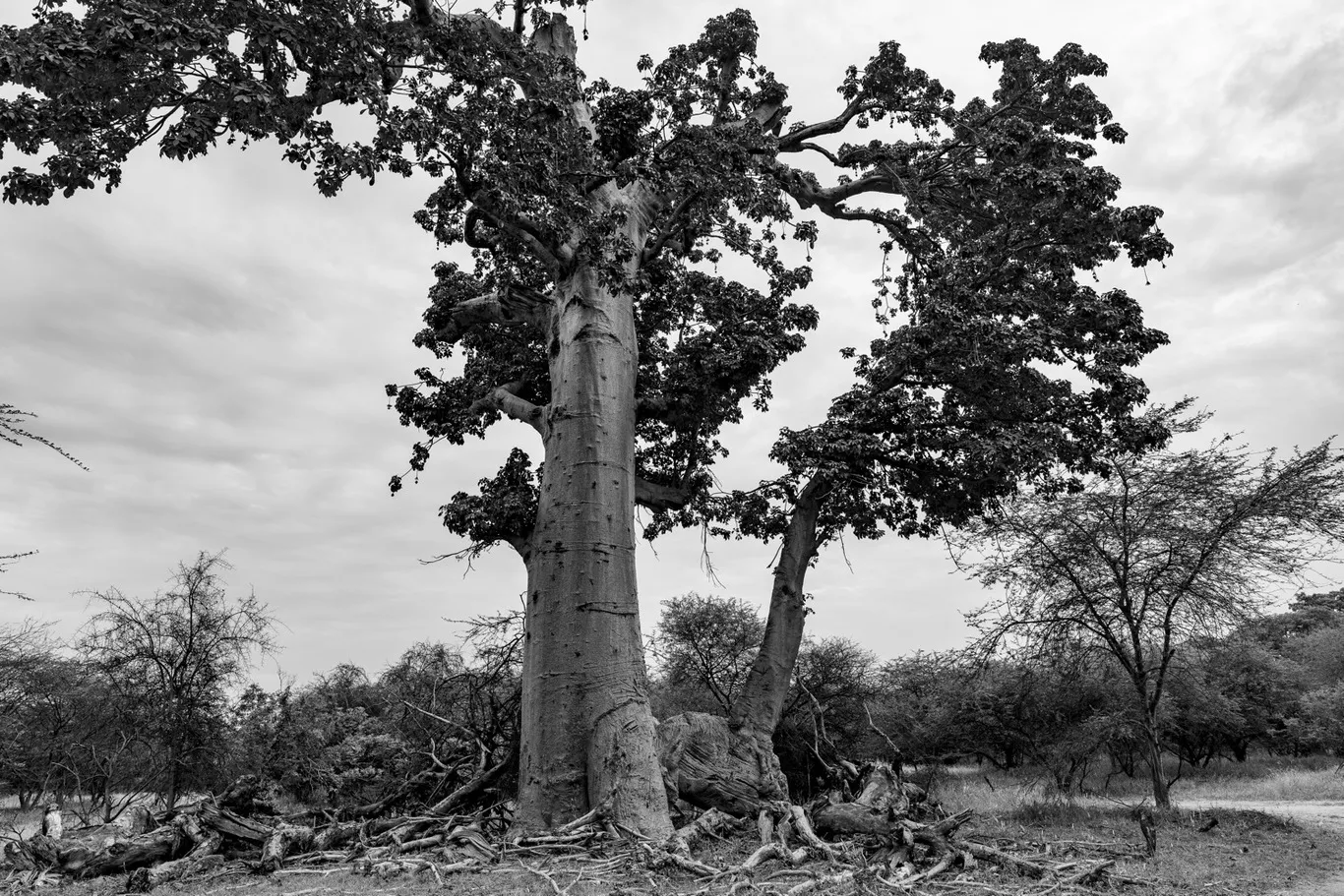
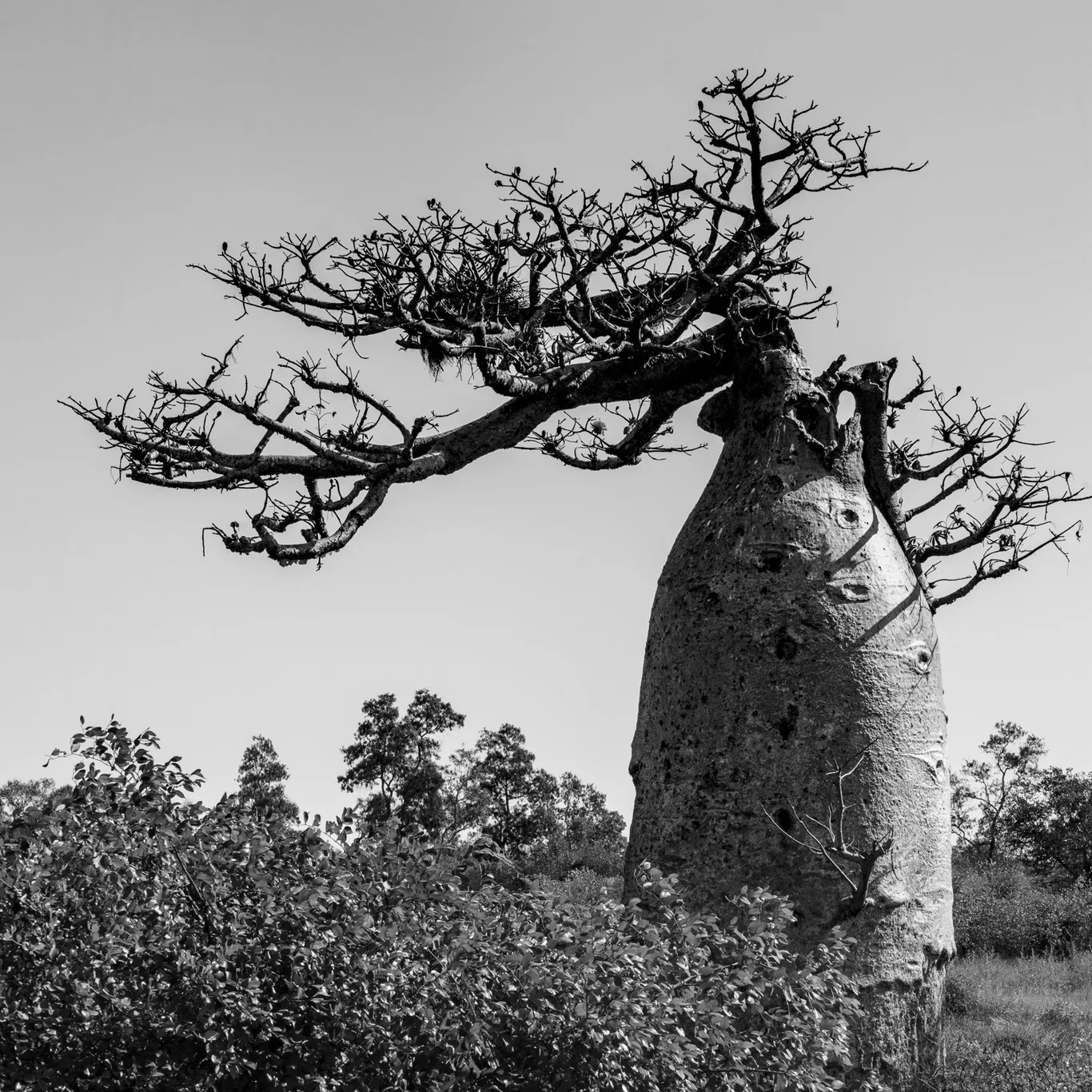
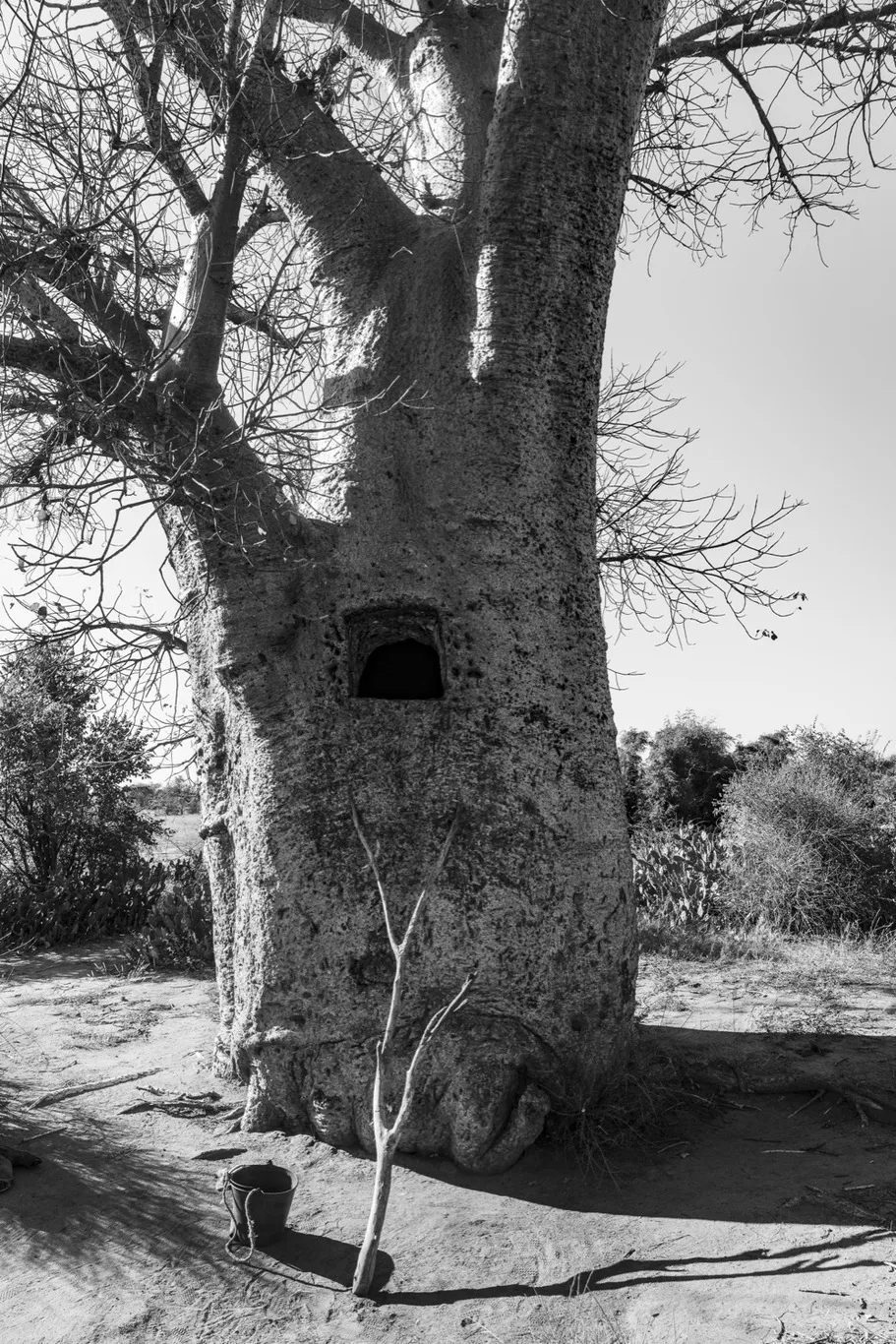
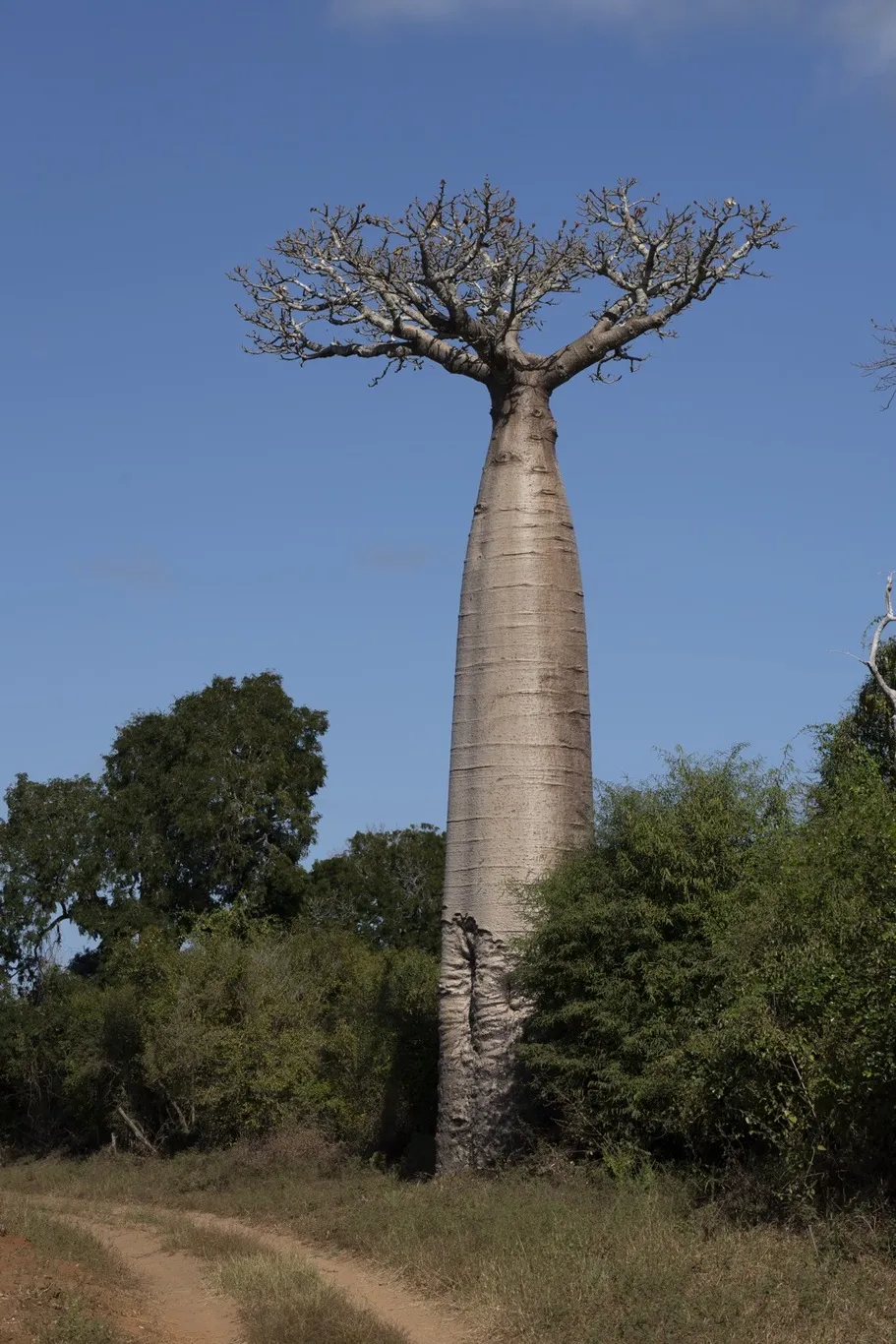
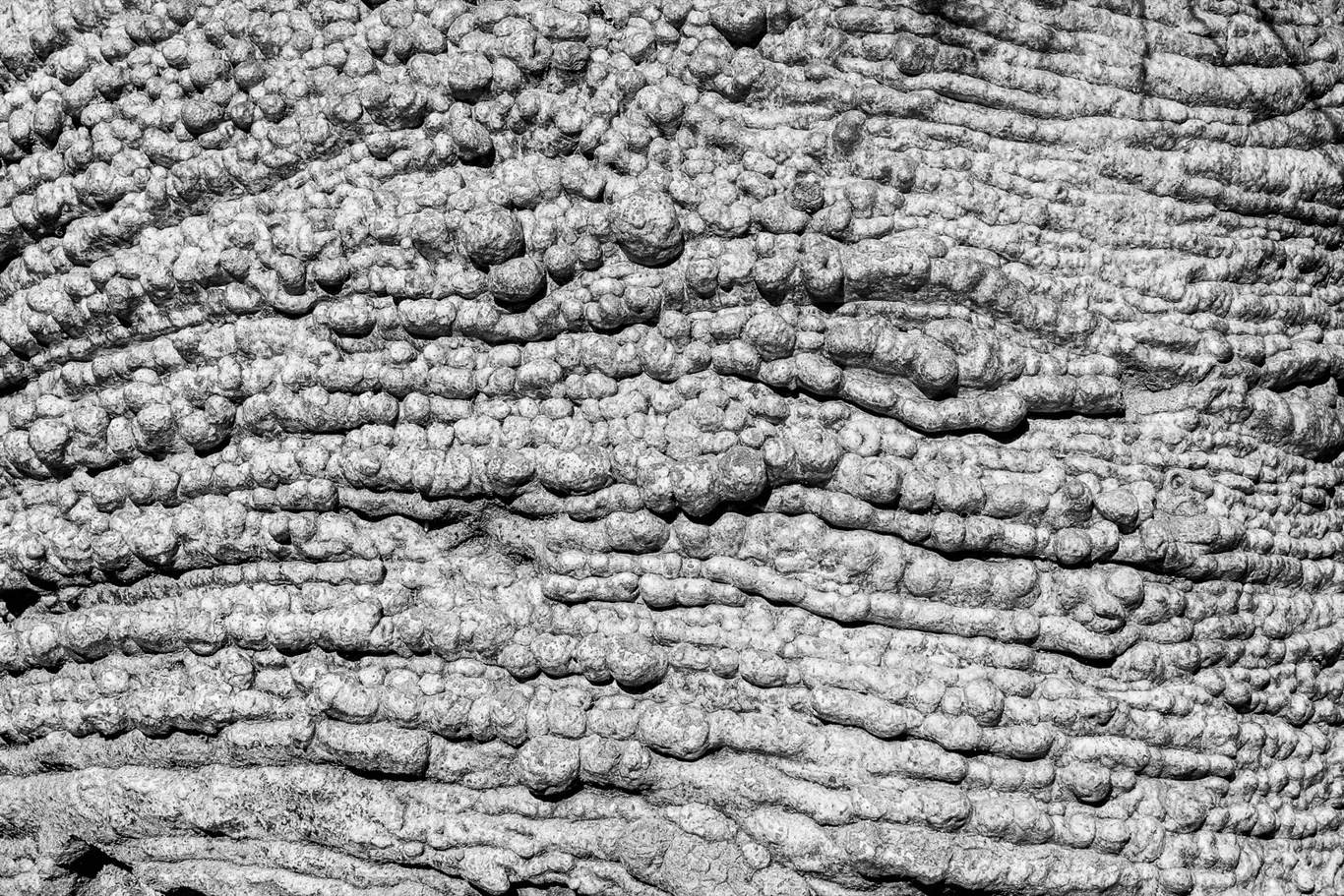
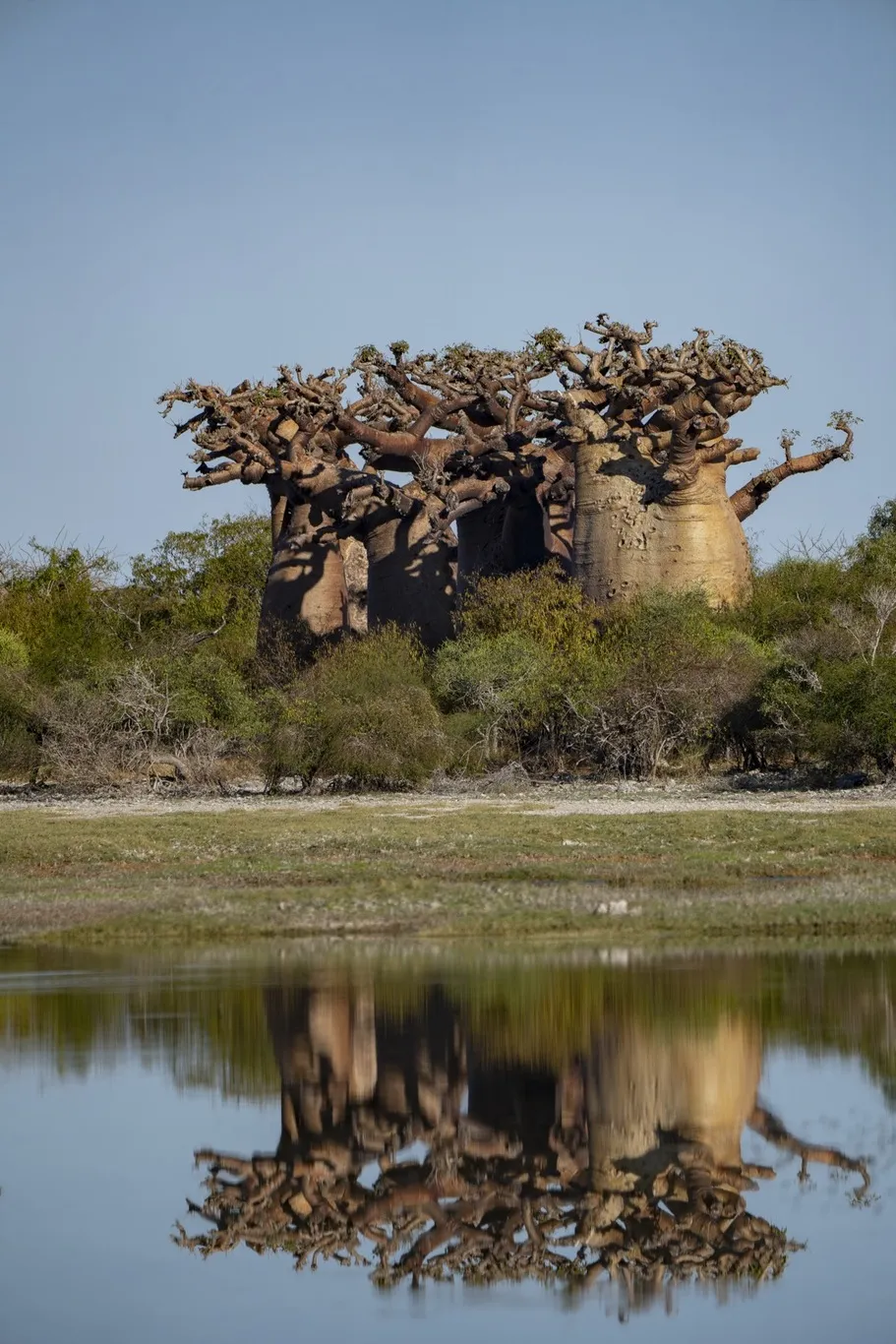
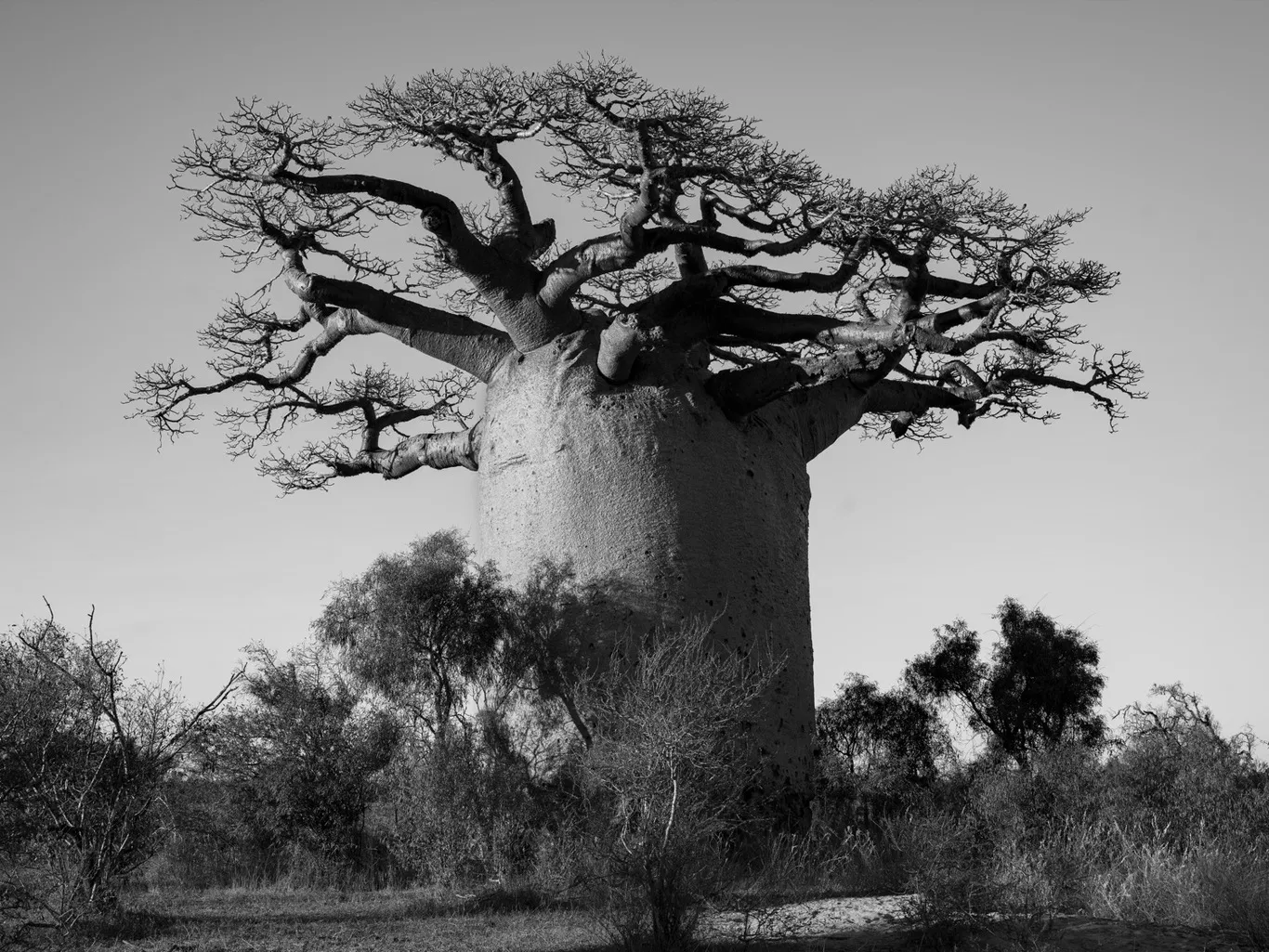
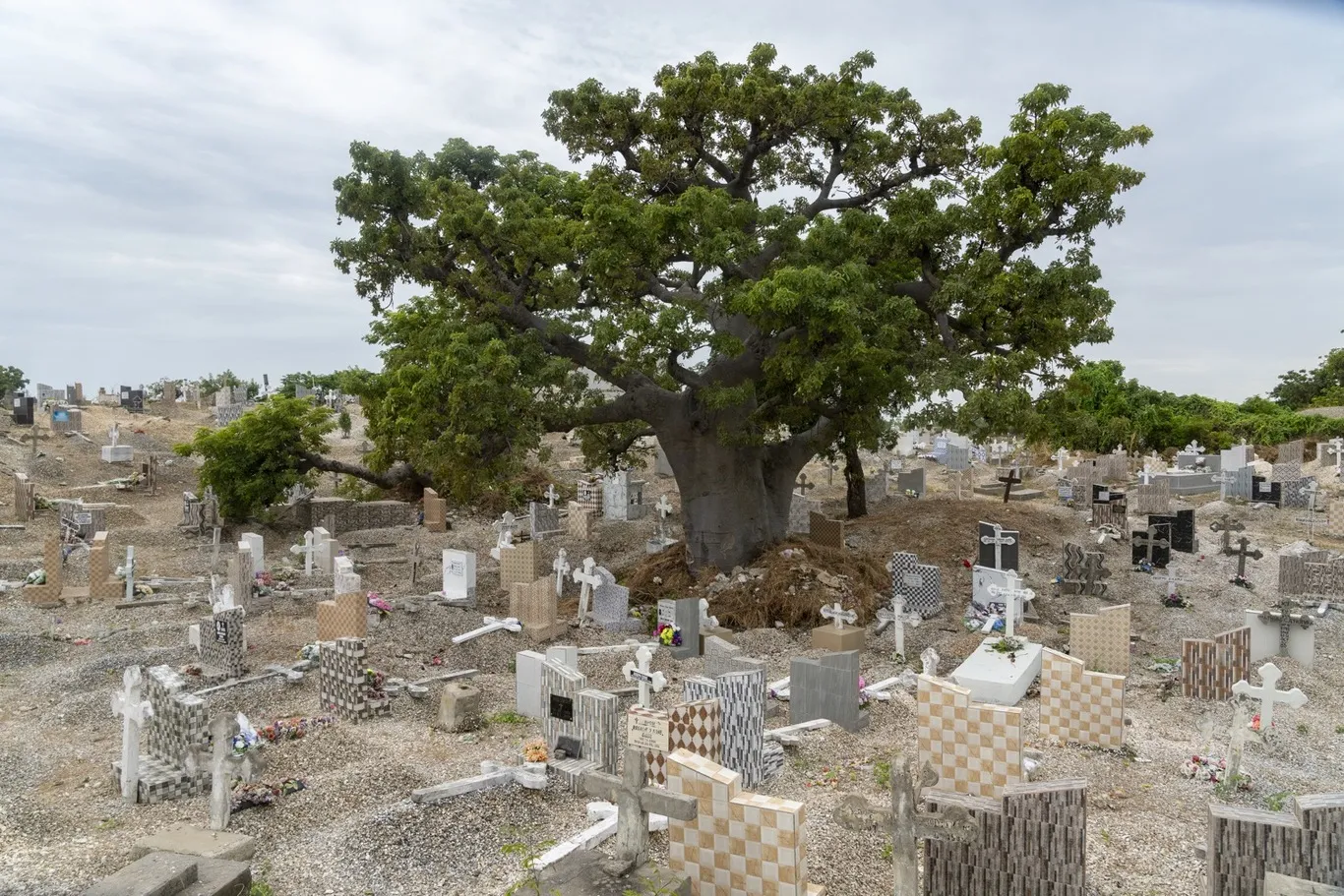
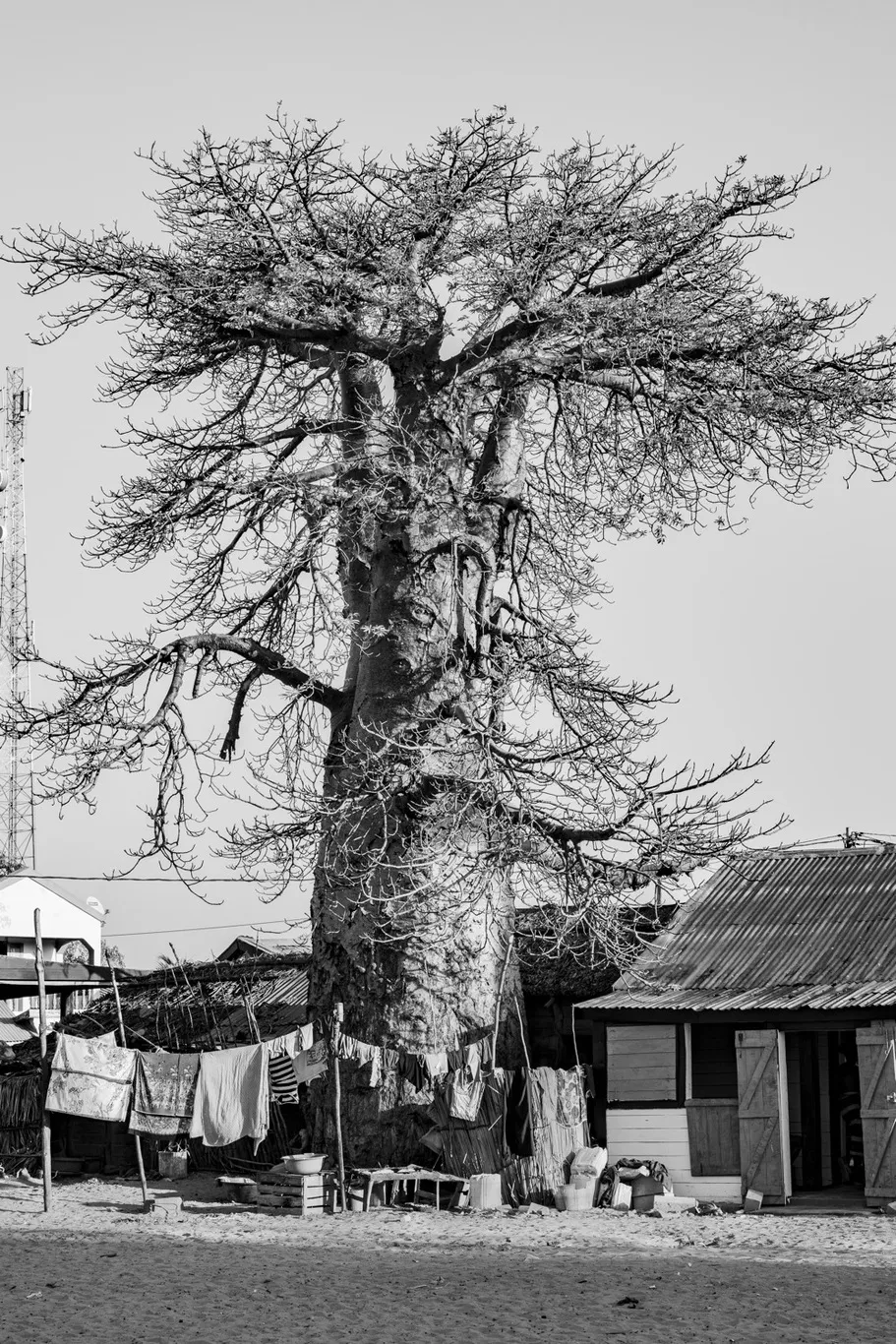
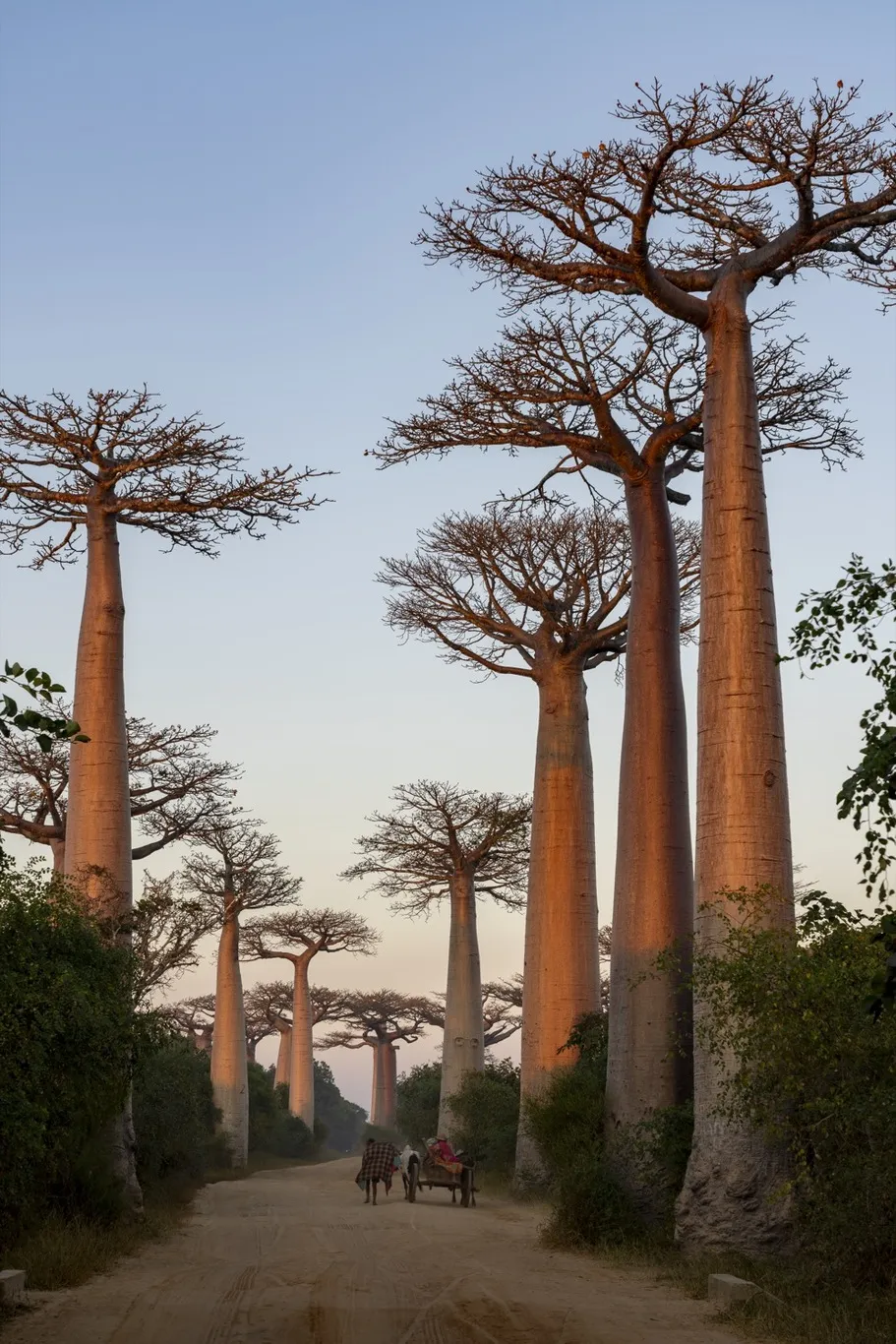
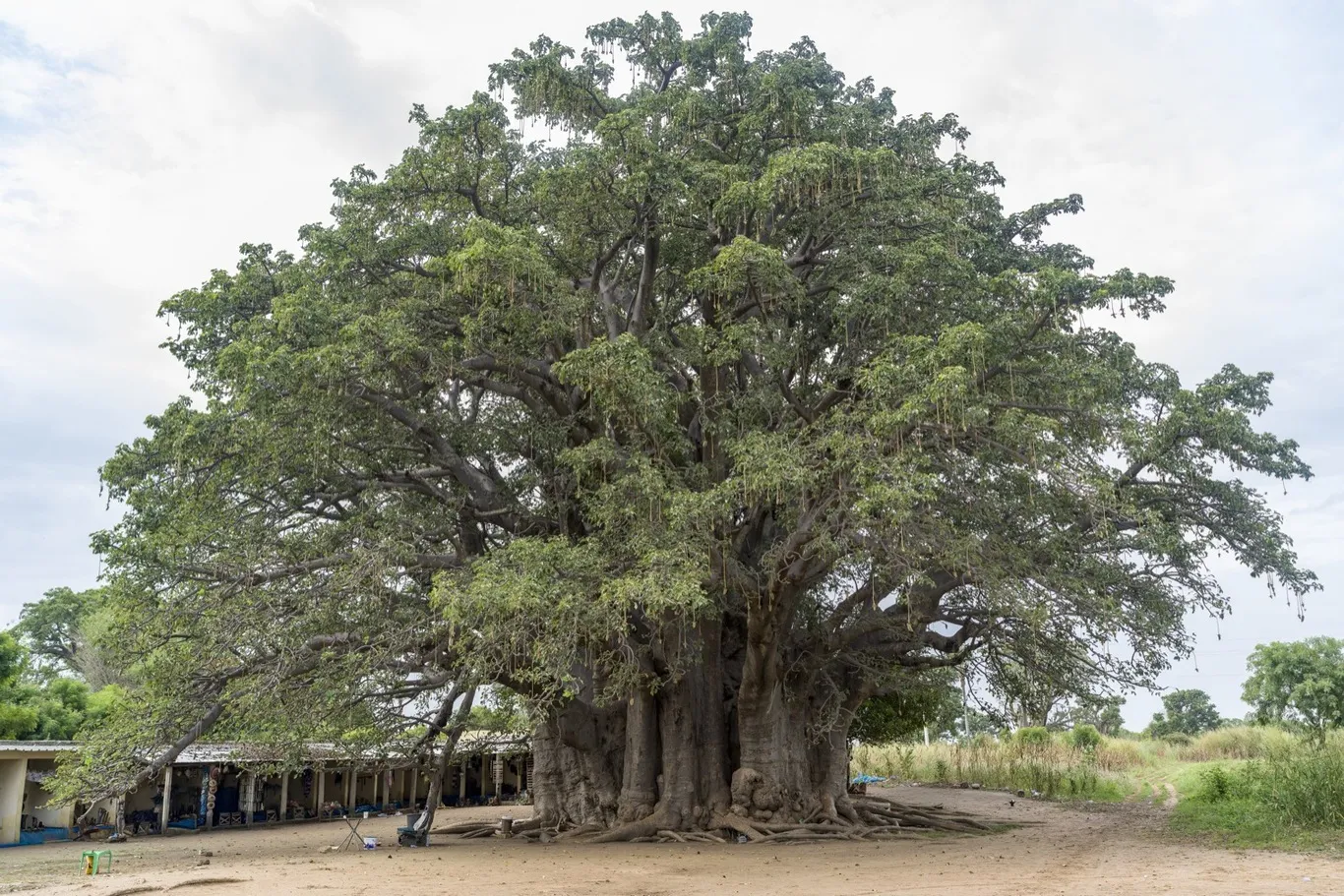
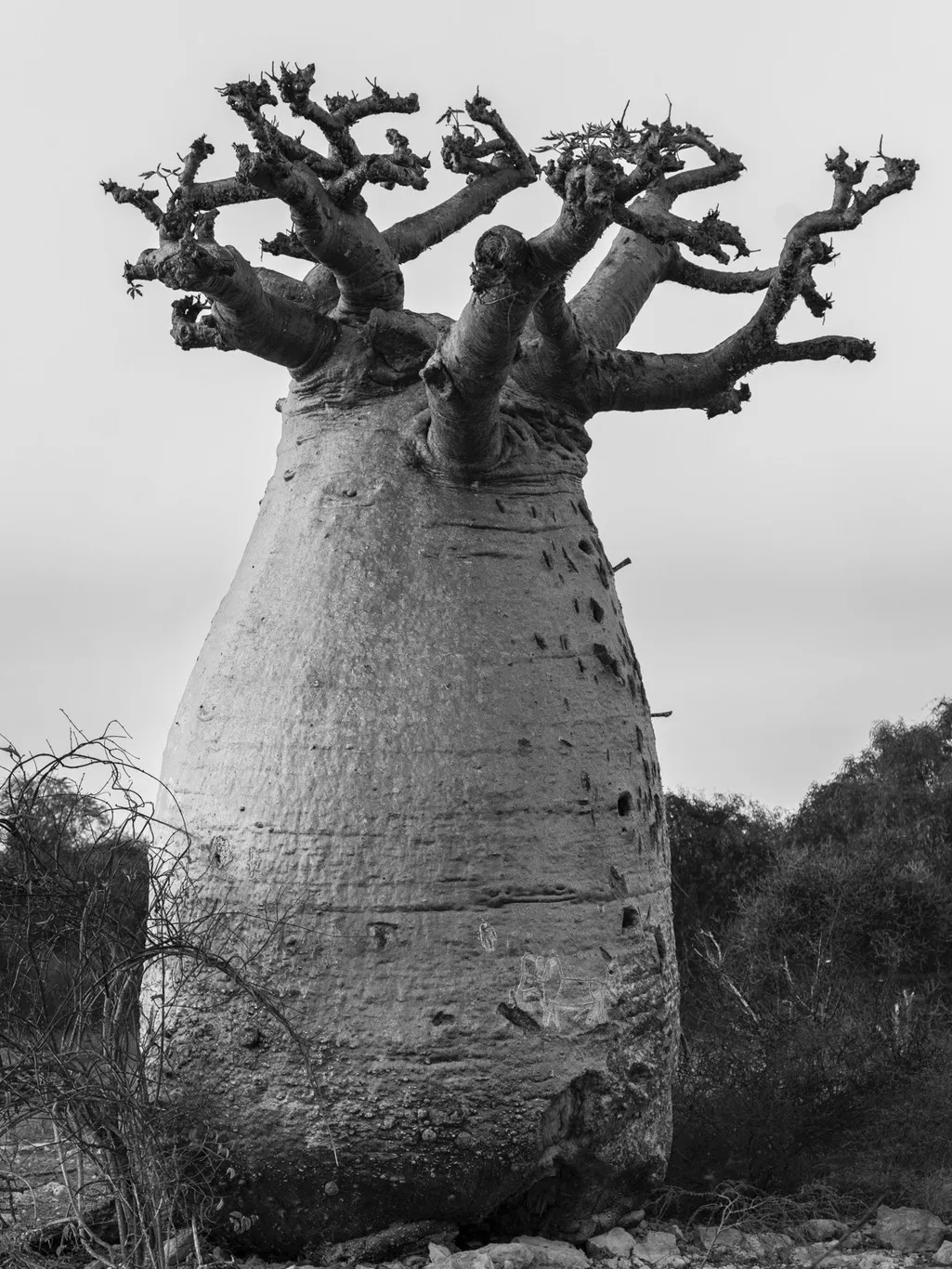
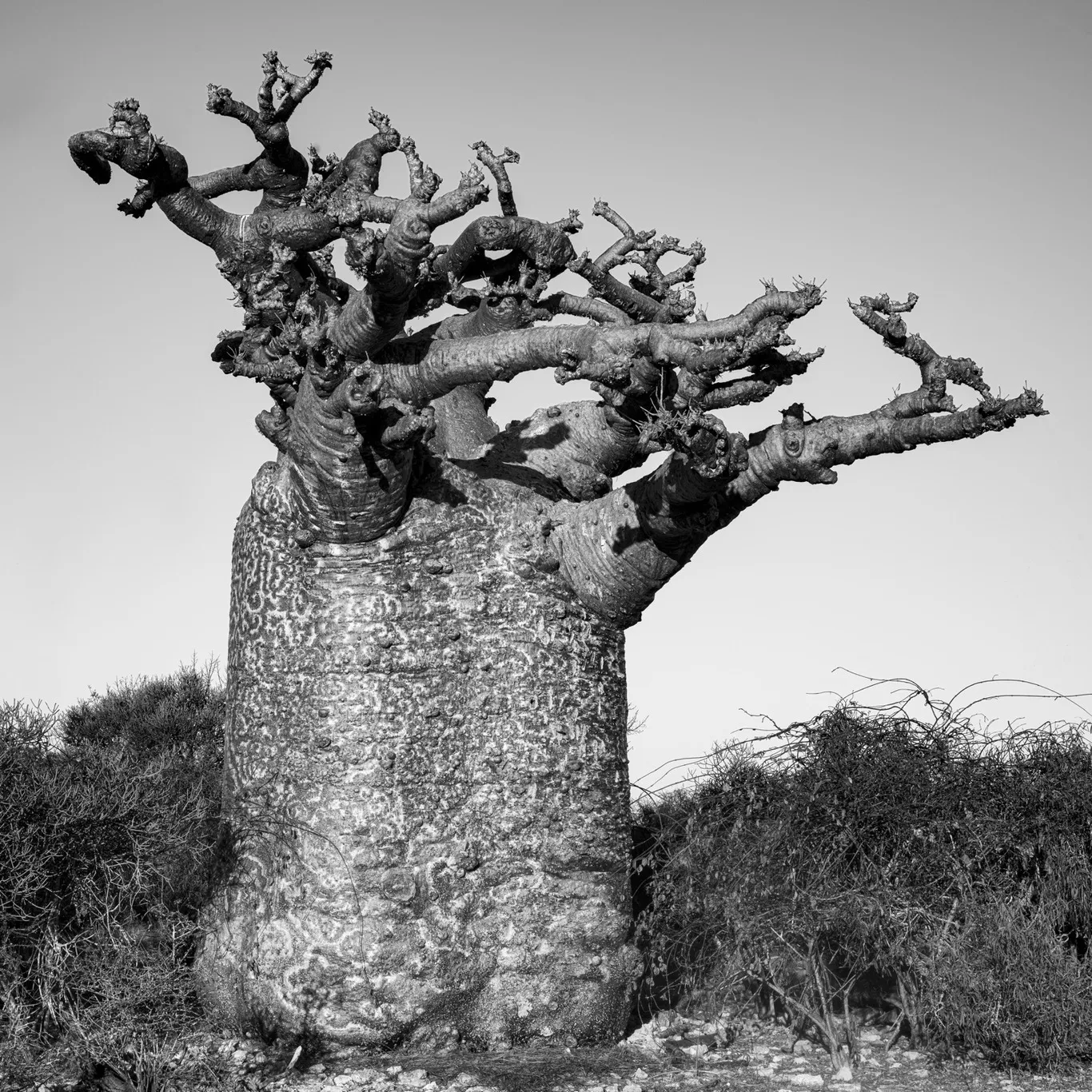
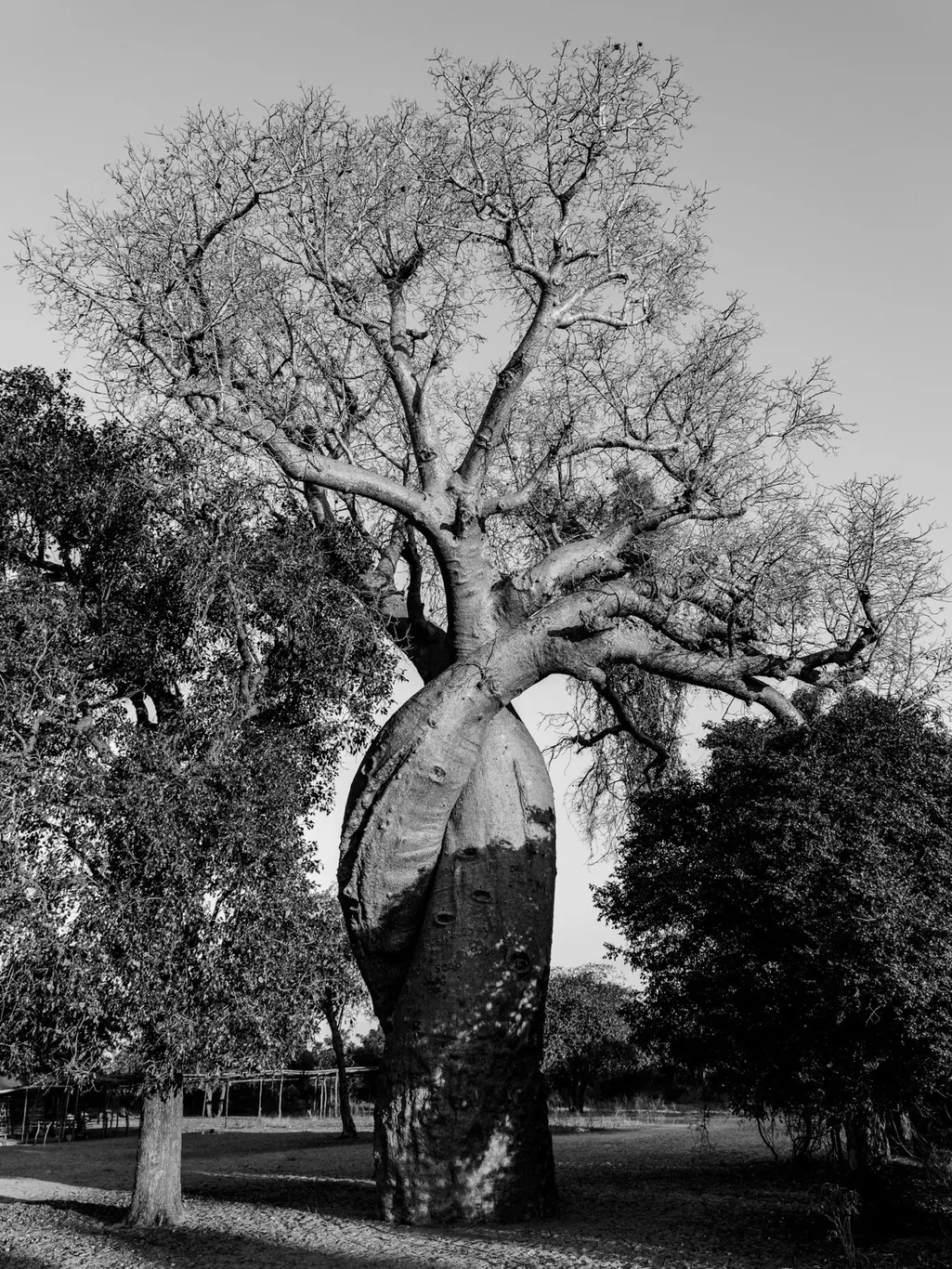
Su pasión por los Baobabs, árboles milenarios muy presentes en su África, esta reflexión alcanza una dimensión especialmente poderosa. Los árboles retratados emergen como presencias monumentales, auténticos guardianes del tiempo cuya existencia atraviesa generaciones. Testigos silenciosos de la historia, han observado el paso de pueblos y culturas y las transformaciones del territorio, conservando en sus troncos la memoria de un tiempo que excede la escala humana.
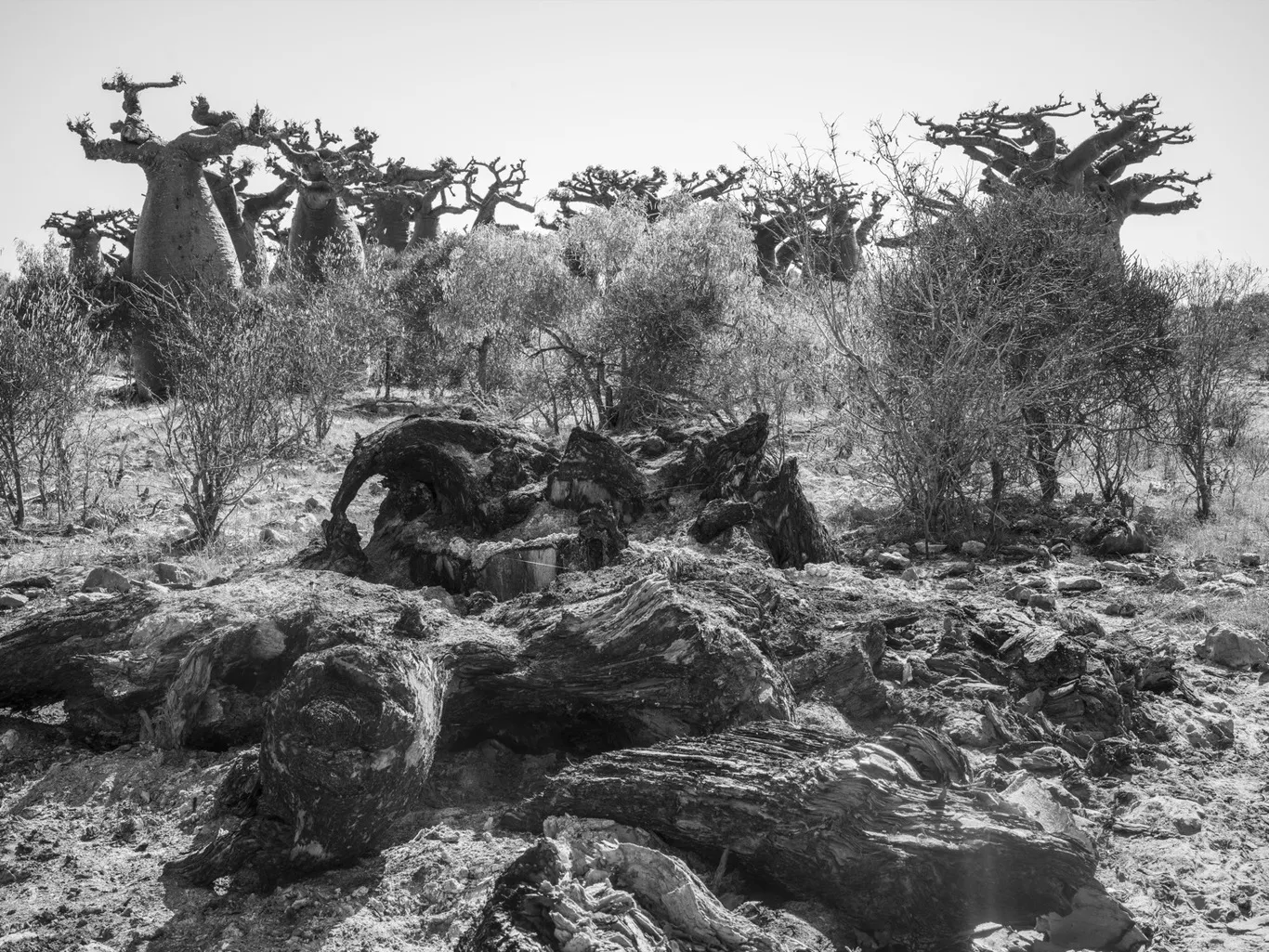
Hoy en día, estos árboles sagrados se enfrentan tanto a la deforestación como al cambio climático produciendo el colapso de varios baobabs milenarios debido a las alteraciones de las temperaturas extremas y la falta de lluvias, consecuencia de ese cambio climático, la presión agrícola y la expansión de los poblados y ciudades, por lo que su tala se está convirtiendo en algo habitual.
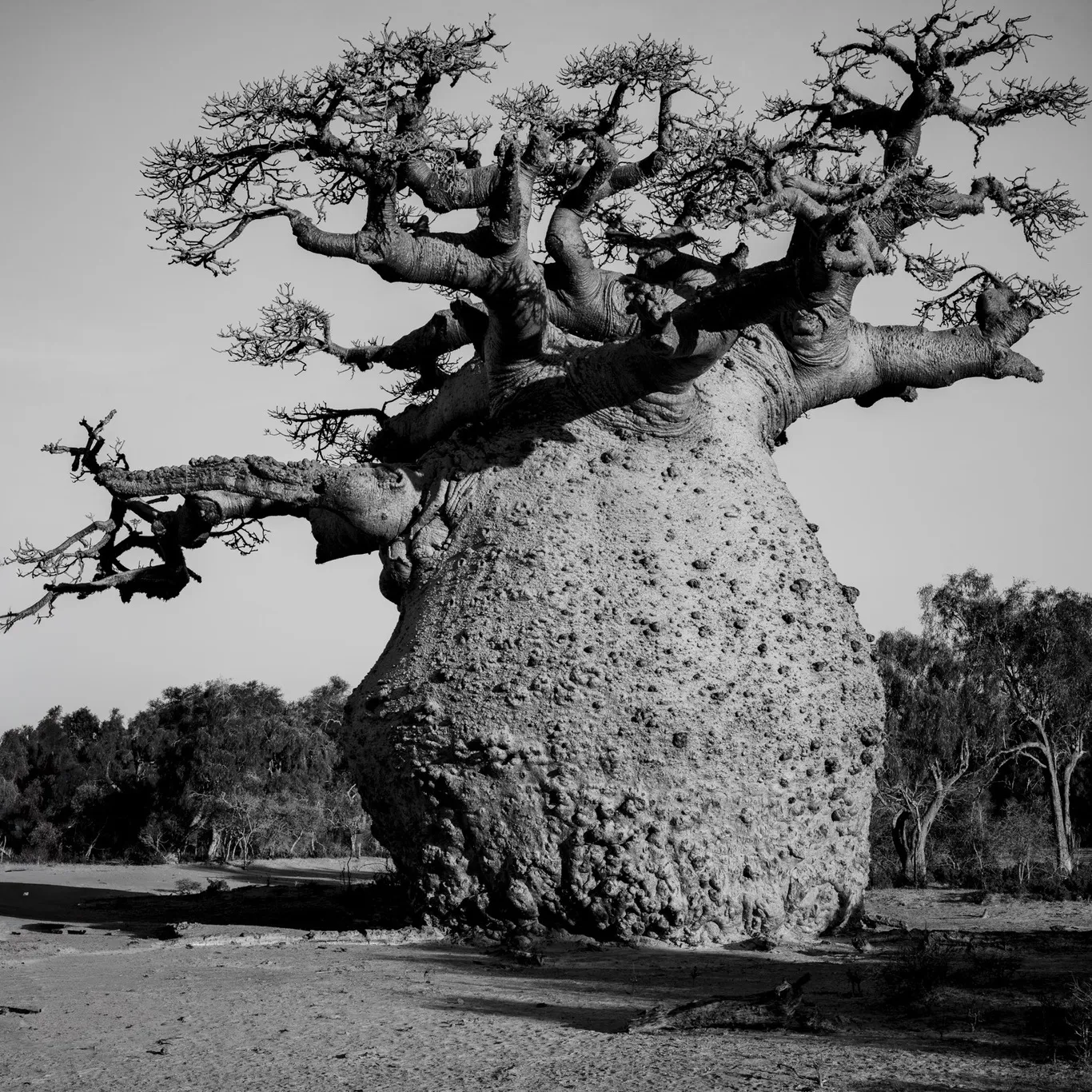
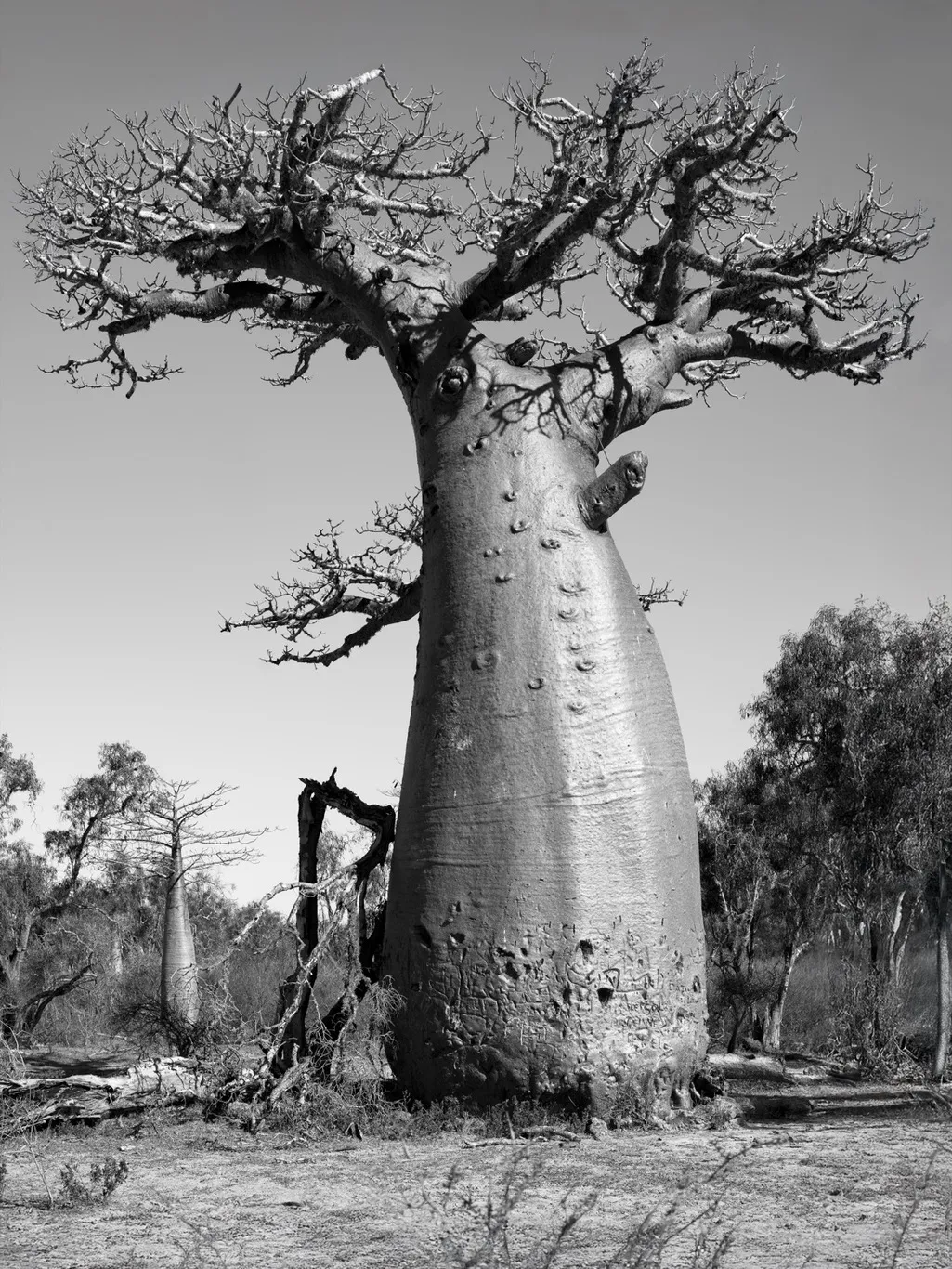
El uso que hace de la luz recorre sus troncos, acentúa sus volúmenes escultóricos y subraya la singularidad de cada ejemplar, otorgándoles una presencia casi monumental y convirtiéndolos en símbolos de resistencia. Los retrata no solo como elementos del paisaje, sino como sujetos portadores de una identidad propia, capaces de encarnar la fuerza y la vulnerabilidad de la naturaleza al mismo tiempo.
La esencia de su obra reside en dirigir la mirada hacia aquello que nos sobrevive: una naturaleza ancestral que precede nuestra presencia y desborda los límites de nuestra temporalidad.
Comisaria: Isabel Elorrieta
In Saleta Rosón’s work, landscape functions as an archive of traces and transformations. The absence of figures shifts attention toward the signs of a presence manifested through intervention in the territory, and in her photographs she explores the ways in which the natural environment is inhabited, altered, and subjected to different forms of appropriation. This makes visible a relationship revealed in the complex interplay between nature and those who observe it, modify it, and often place its fragile balance at risk.
This absence of human figures does not imply emptiness; quite the contrary, it turns the viewer into part of the image and places them before questions that go beyond the merely scenic. It invites reflection on time and memory, on the mechanisms of occupation and transformation of territory, and on the ways in which landscape is shaped as a silent witness to history, culture, and the passage of generations.
With her passion for baobabs, those millenary trees so present in her Africa, this reflection reaches a particularly powerful dimension. The trees portrayed emerge as monumental presences, true guardians of time whose existence spans generations. Silent witnesses to history, they have observed the passage of peoples and cultures and the transformations of the territory, preserving in their trunks the memory of a time that exceeds the human scale.
Today, these sacred trees face both deforestation and climate change, leading to the collapse of several millenary baobabs due to extreme temperature shifts and a lack of rain, a consequence of climate change, agricultural pressure, and the expansion of villages and cities, which is making their felling increasingly commonplace.
Her use of light traces their trunks, accentuates their sculptural volumes, and underscores the singularity of each specimen, granting them an almost monumental presence and turning them into symbols of resilience. She portrays them not only as elements of the landscape, but as beings carrying their own identity, capable of embodying the strength and vulnerability of nature at the same time.
The essence of her work lies in directing the gaze toward that which outlives us: an ancestral nature that precedes our presence and exceeds the limits of our temporality.
Curator: Isabel Elorrieta