FRAGAS E BRÉTEMA
12.03.2026 – 18.04.2026 Valid Foto, Barcelona
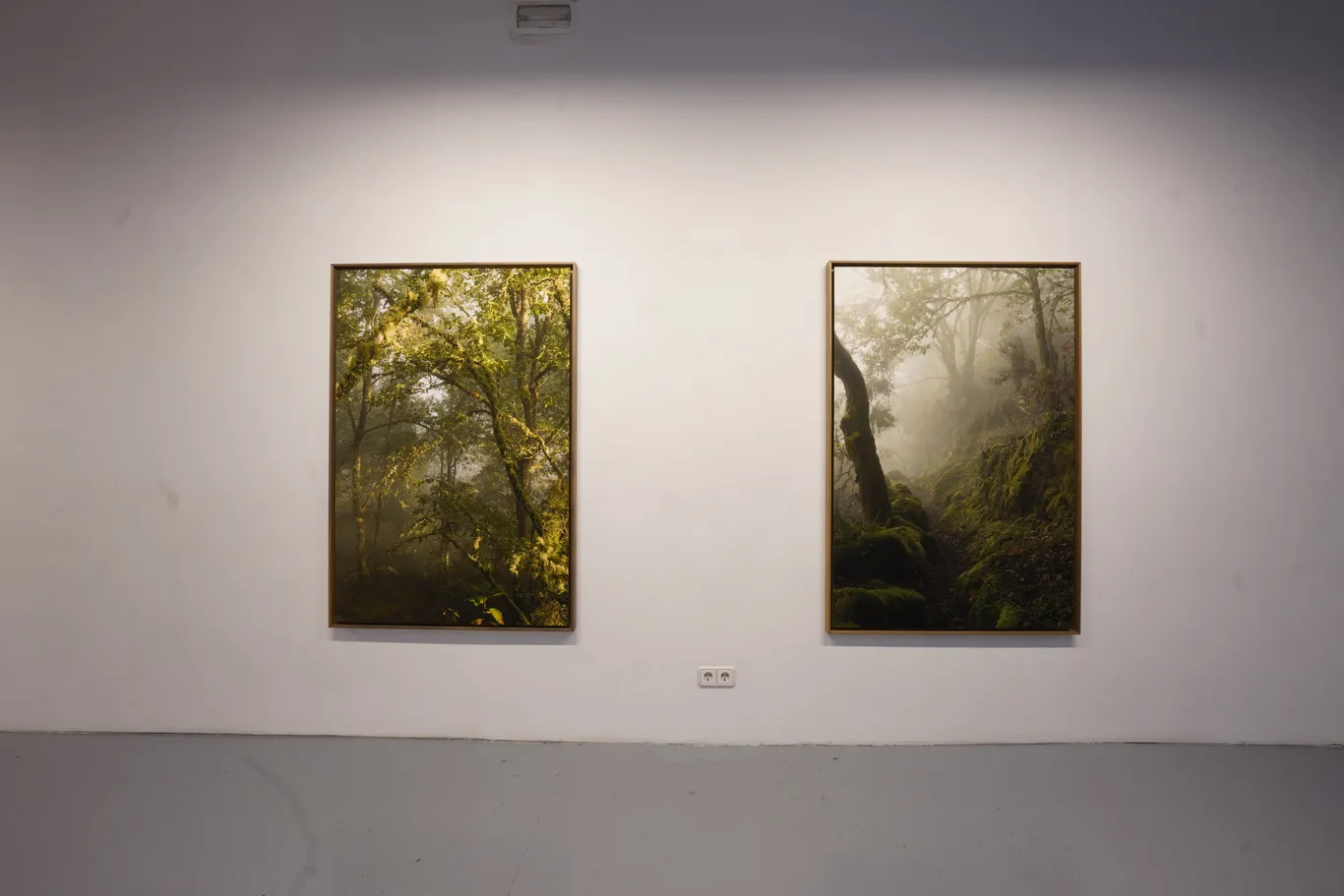
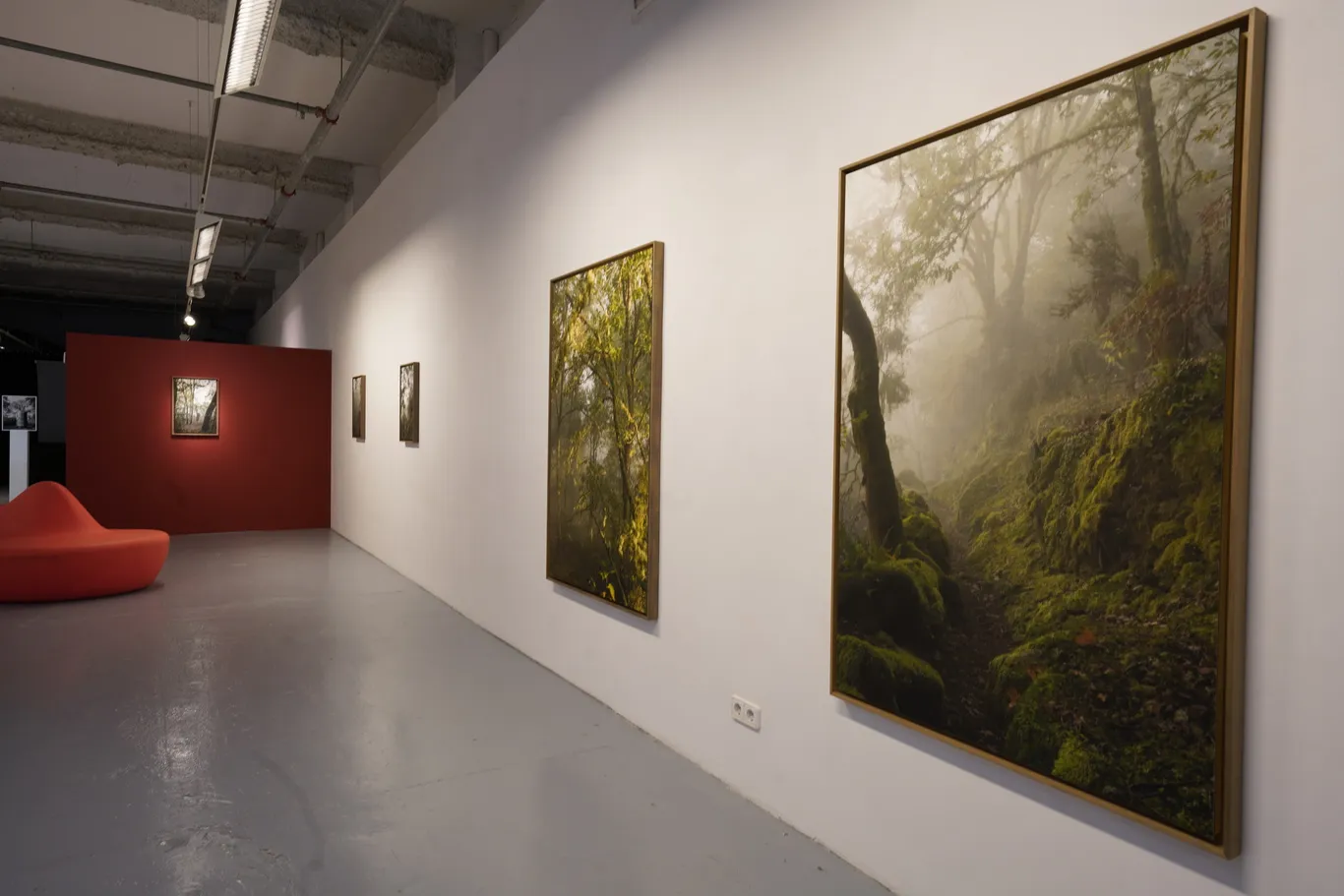
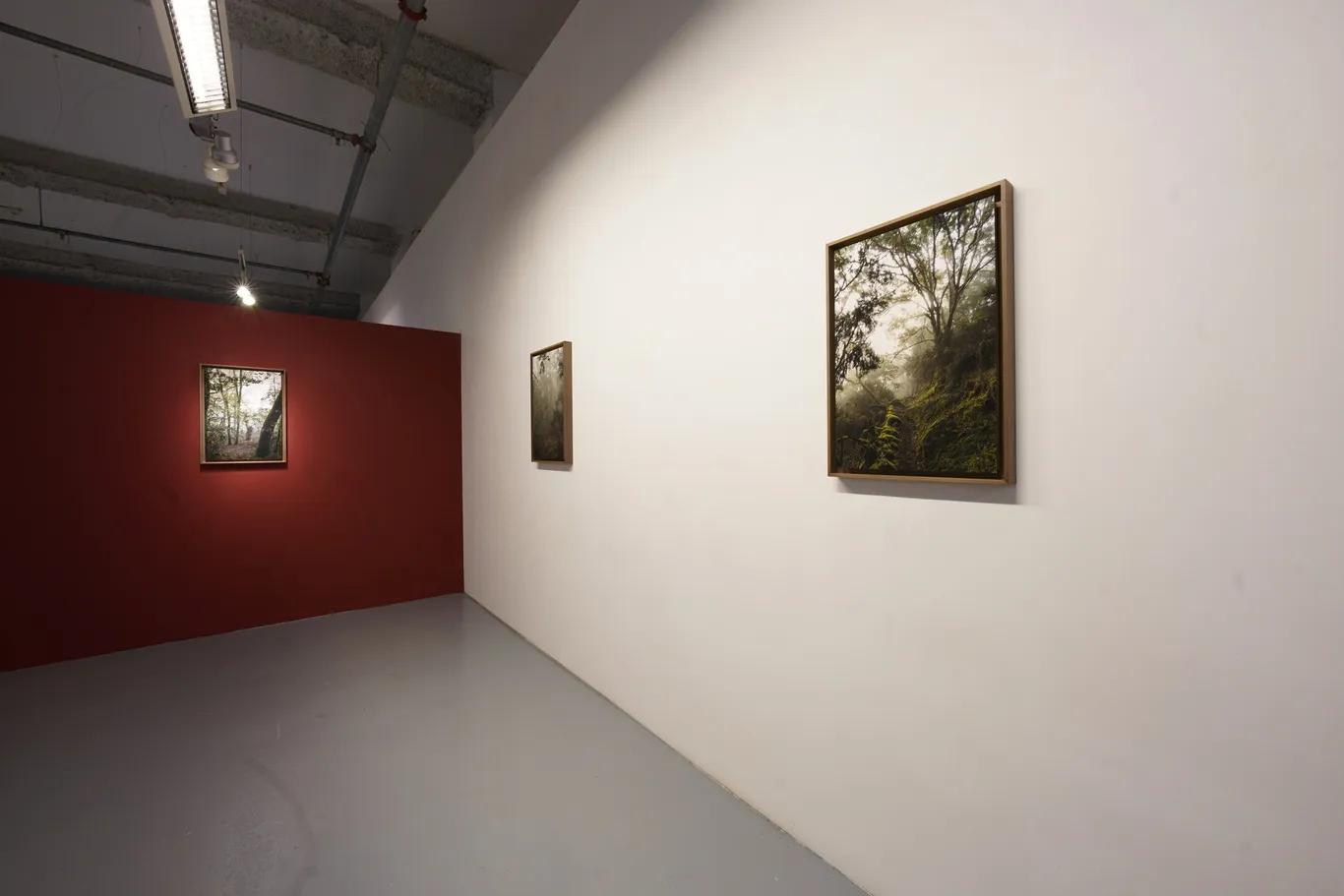
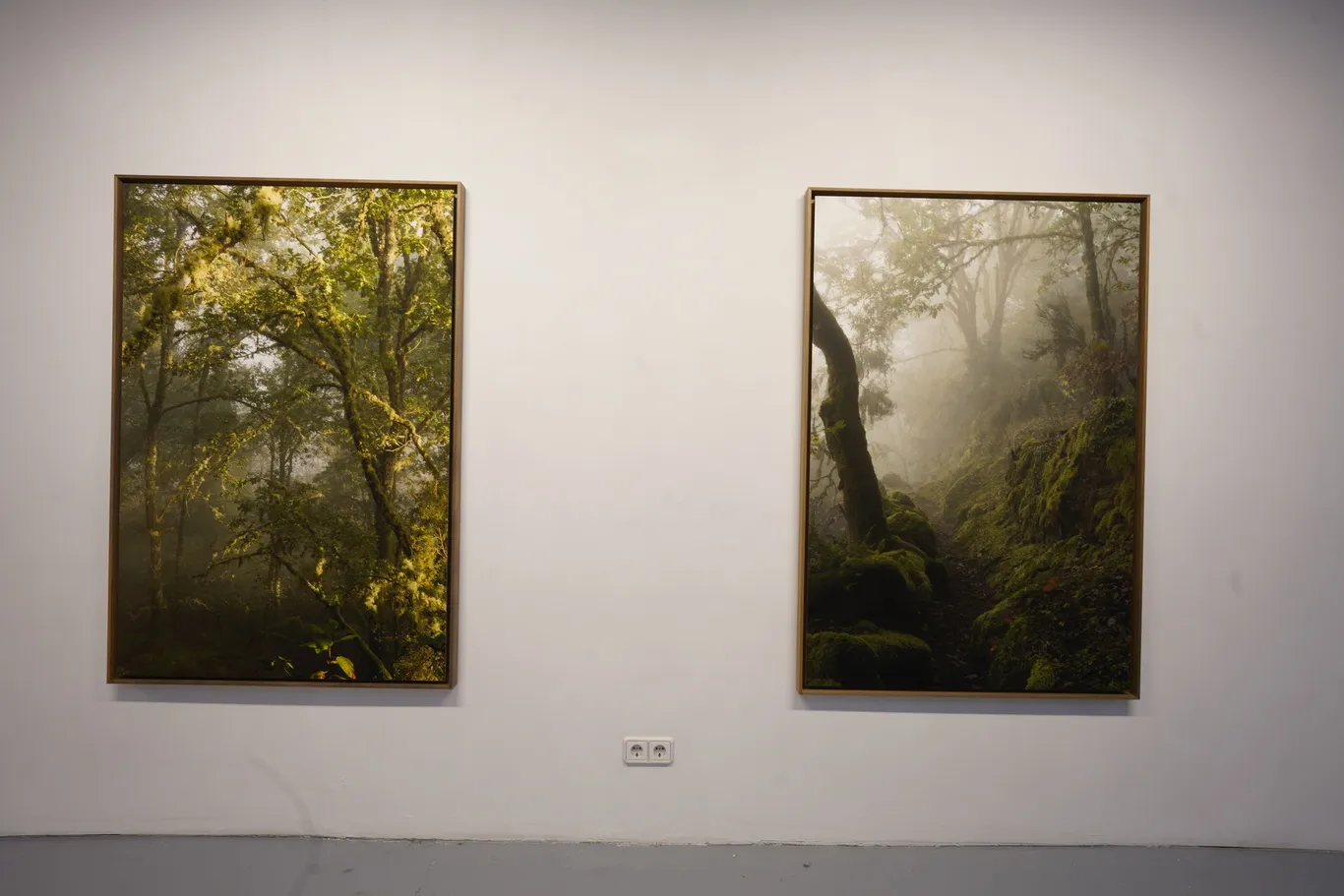
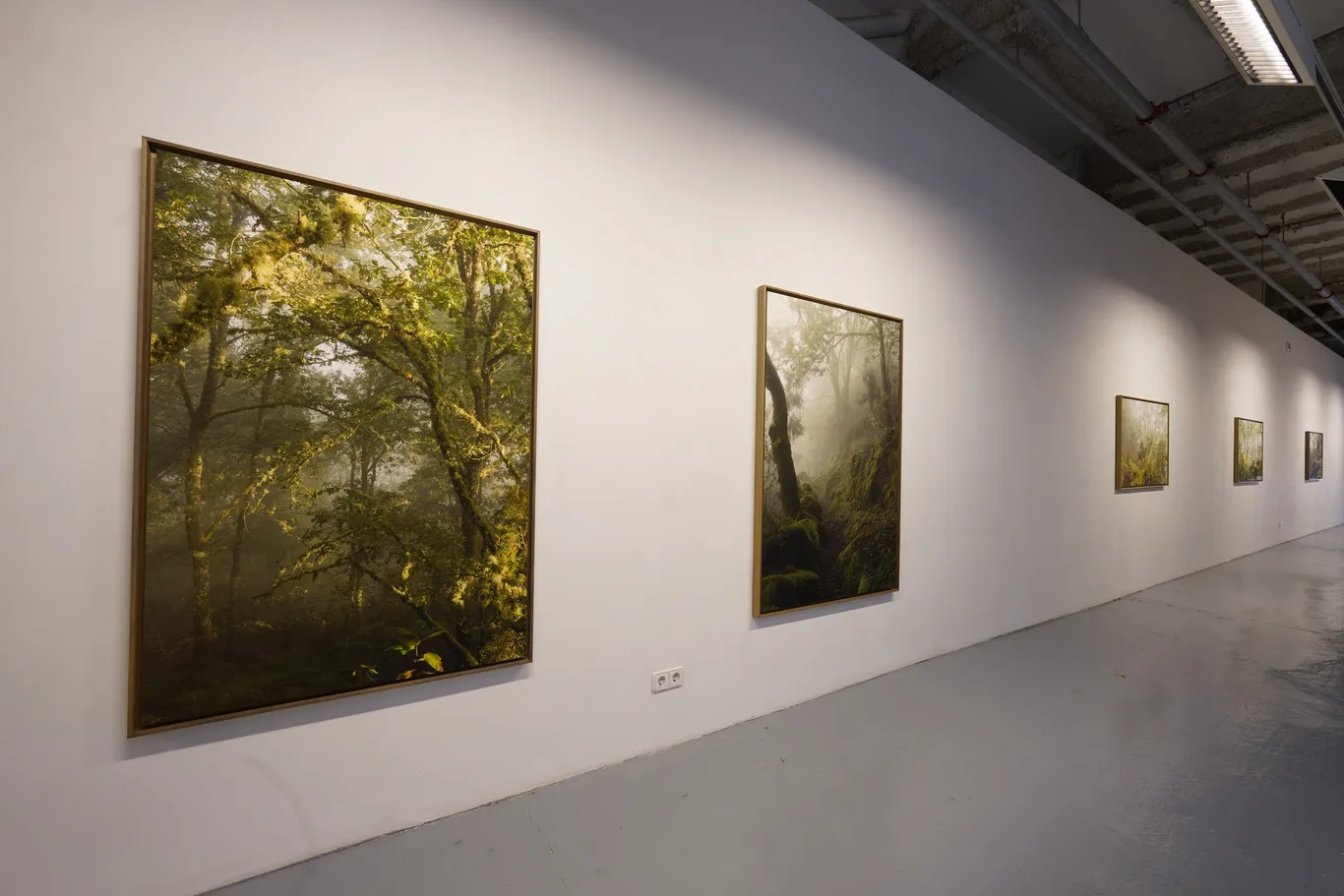
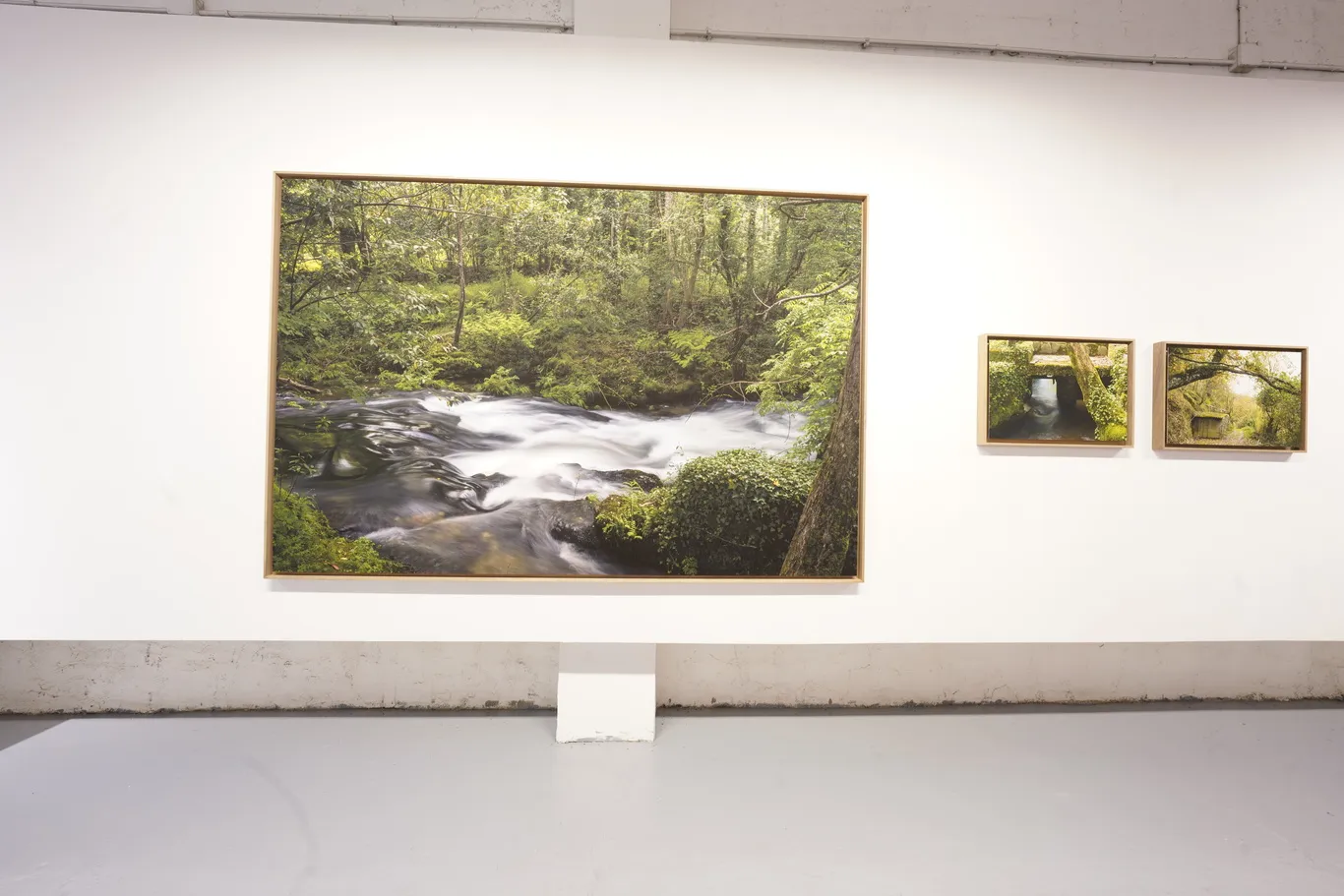
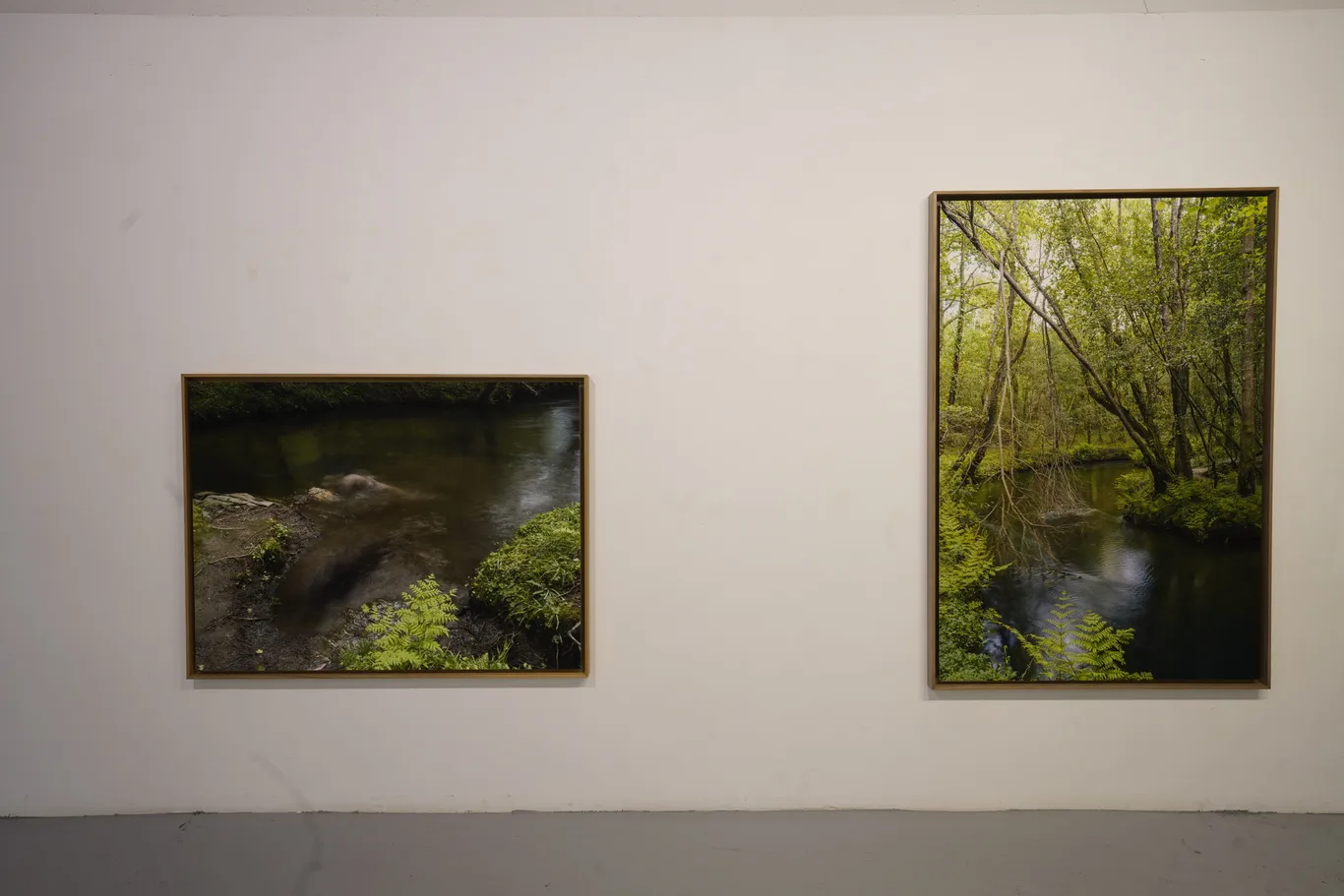
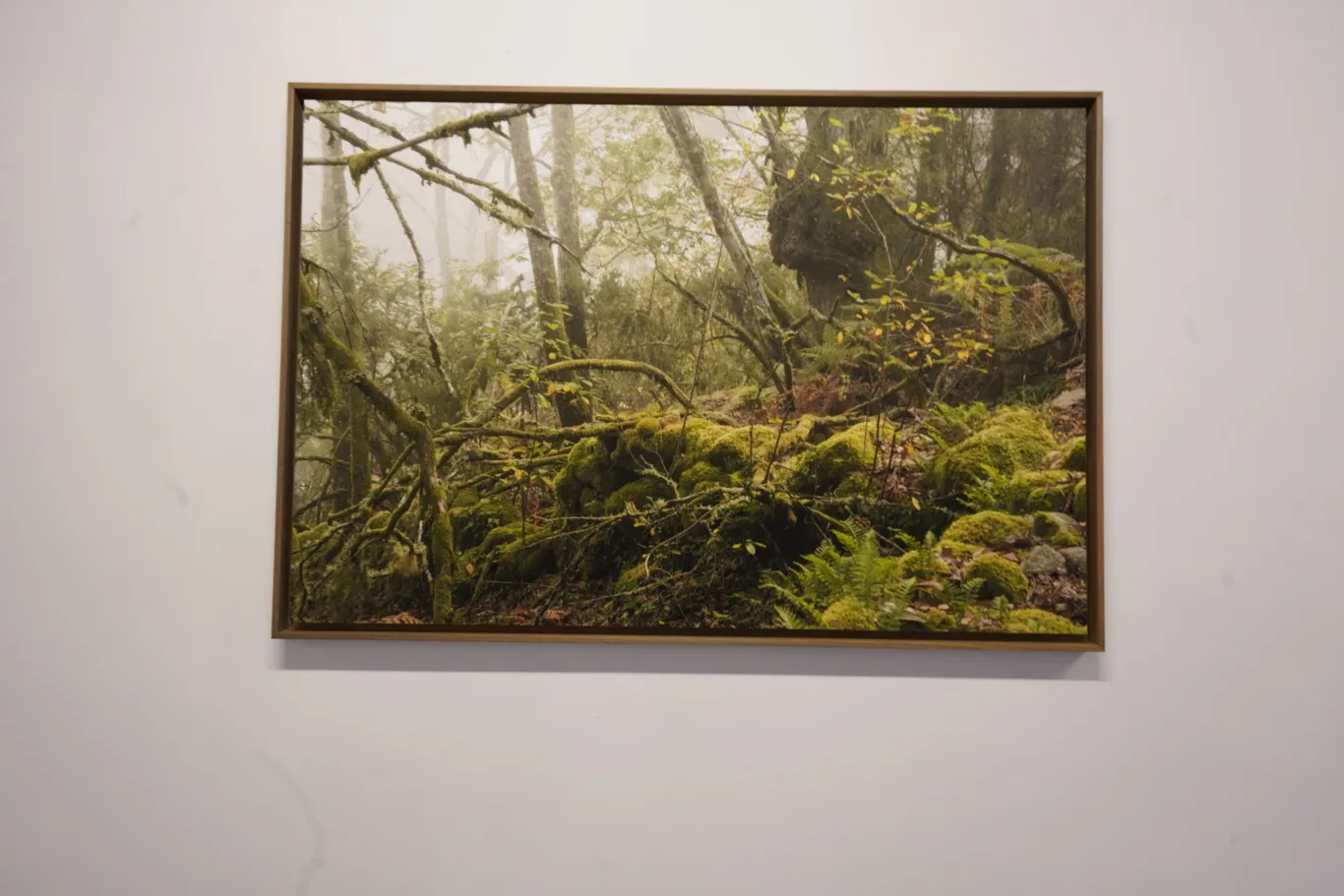
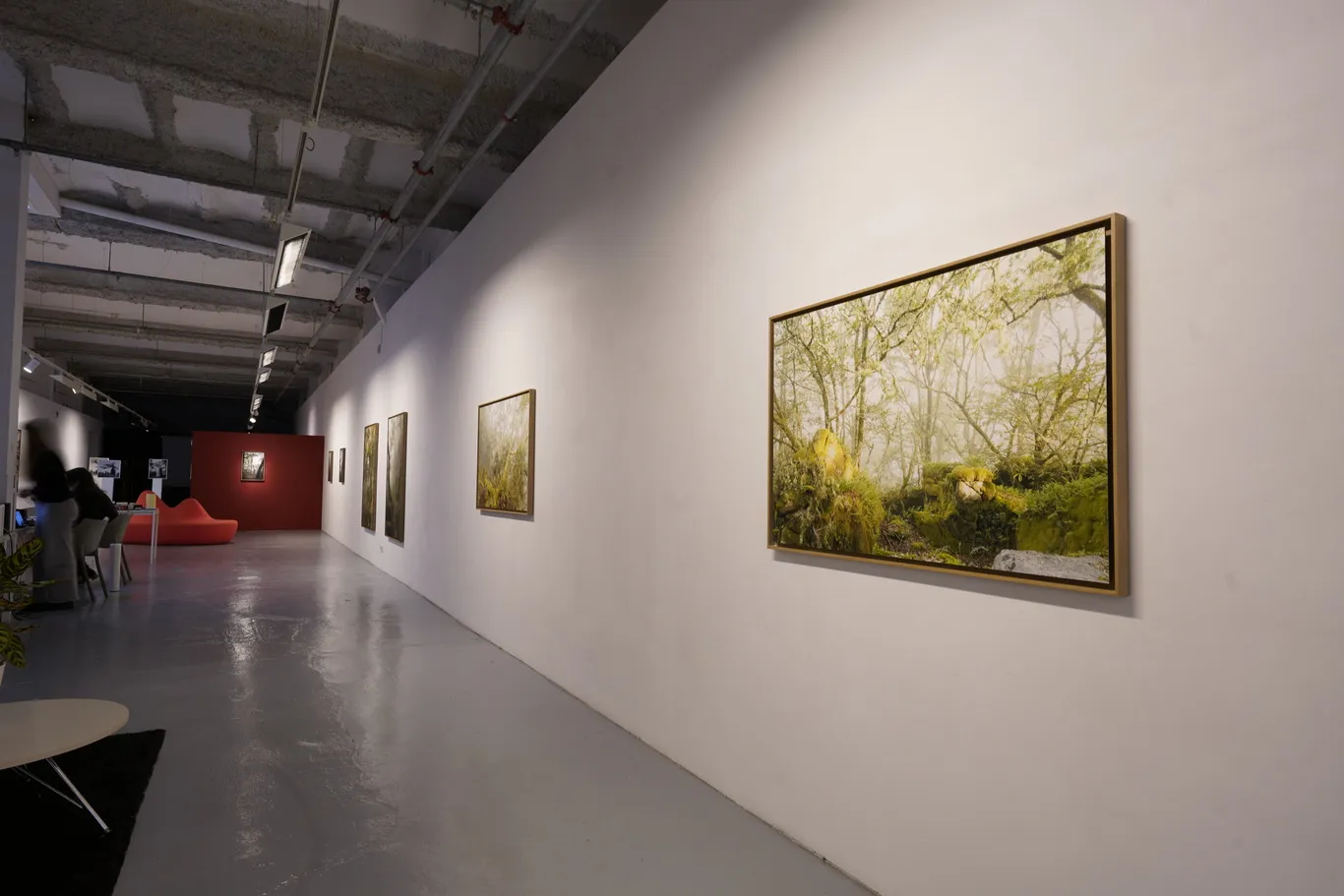
En El Bosque Animado no documenta un paisaje: lo habita. La serie nos traslada al corazón de los bosques atlánticos gallegos, un territorio marcado por la humedad, la sombra, el musgo y la niebla, donde el tiempo parece detenerse y la densidad vegetal contiene una memoria todavía más densa.
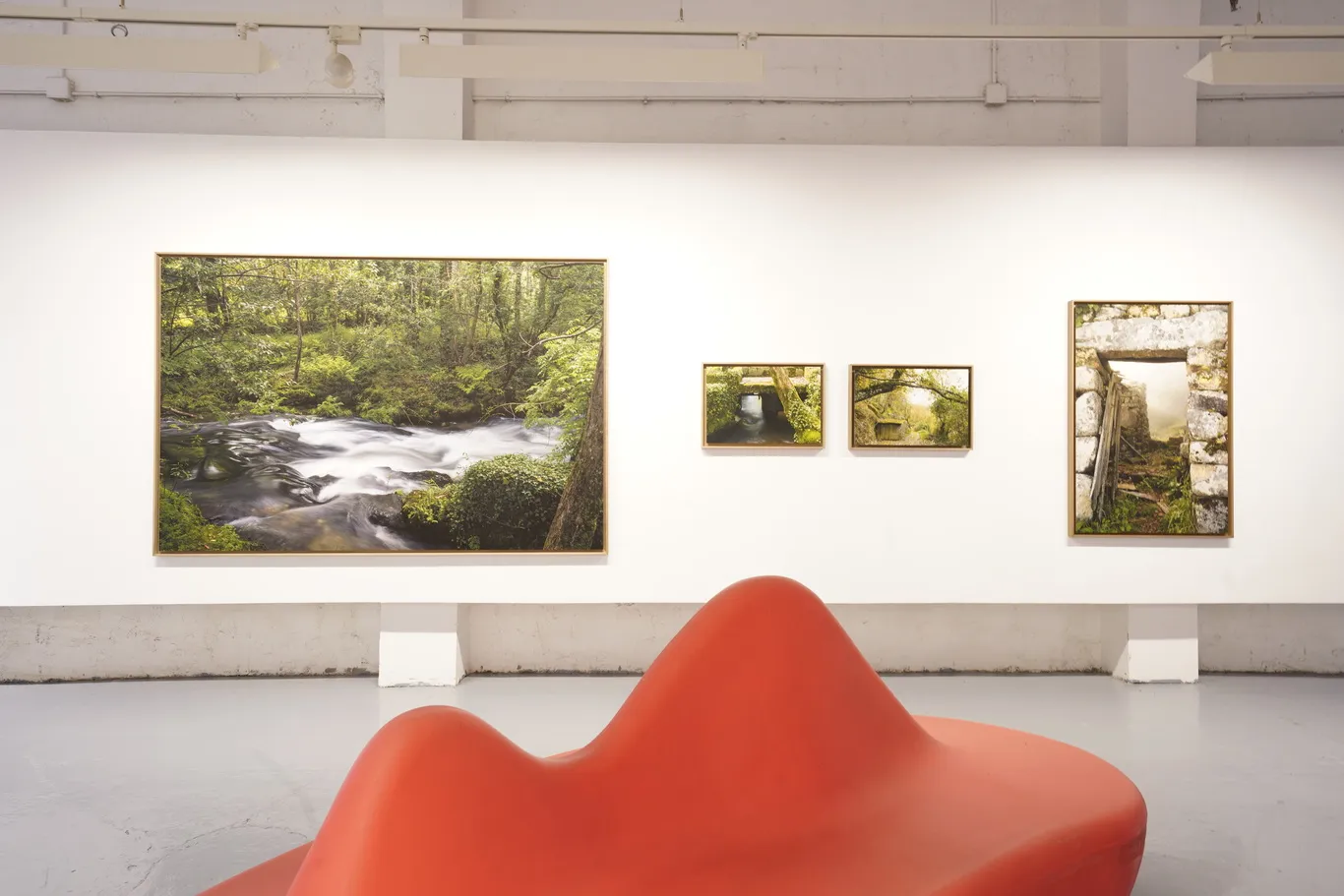
En estos entornos, los robles, abedules, acebos y castaños conviven con líquenes, helechos y raíces que reptan entre la hojarasca. No hay espectáculo, ni monumentalidad, ni gesto heroico. Hay presencia. Y en esa presencia, una forma de resistencia. Frente al avance de los monocultivos de eucalipto —árbol rápido, rentable y voraz—, el bosque tradicional se mantiene como una forma viva de conocimiento.
Galicia vive desde hace décadas una transformación paisajística acelerada, en la que los antiguos bosques caducifolios han sido desplazados por especies foráneas de crecimiento intensivo. Los eucaliptos, implantados para abastecer a la industria papelera, han alterado los ciclos del agua, empobrecido los suelos y reducido la biodiversidad. La sustitución de lo diverso por lo uniforme no es sólo ecológica: es también simbólica. Lo que desaparece no es solo un ecosistema, sino una forma de relación con el territorio, una cultura del cuidado, del tiempo lento y del vínculo.
El Bosque Animado, resuena intencionadamente con el imaginario popular gallego y rinde homenaje a la célebre novela de Wenceslao Fernández Flórez. En su obra, el bosque de Cecebre es un organismo vivo, donde árboles y animales piensan, sienten y recuerdan. La autora retoma ese eco literario desde la fotografía, no para representar un mundo encantado, sino para subrayar que el bosque sigue siendo sujeto y no objeto. Un espacio con voz propia, con historia, con derecho a existir sin ser instrumentalizado.
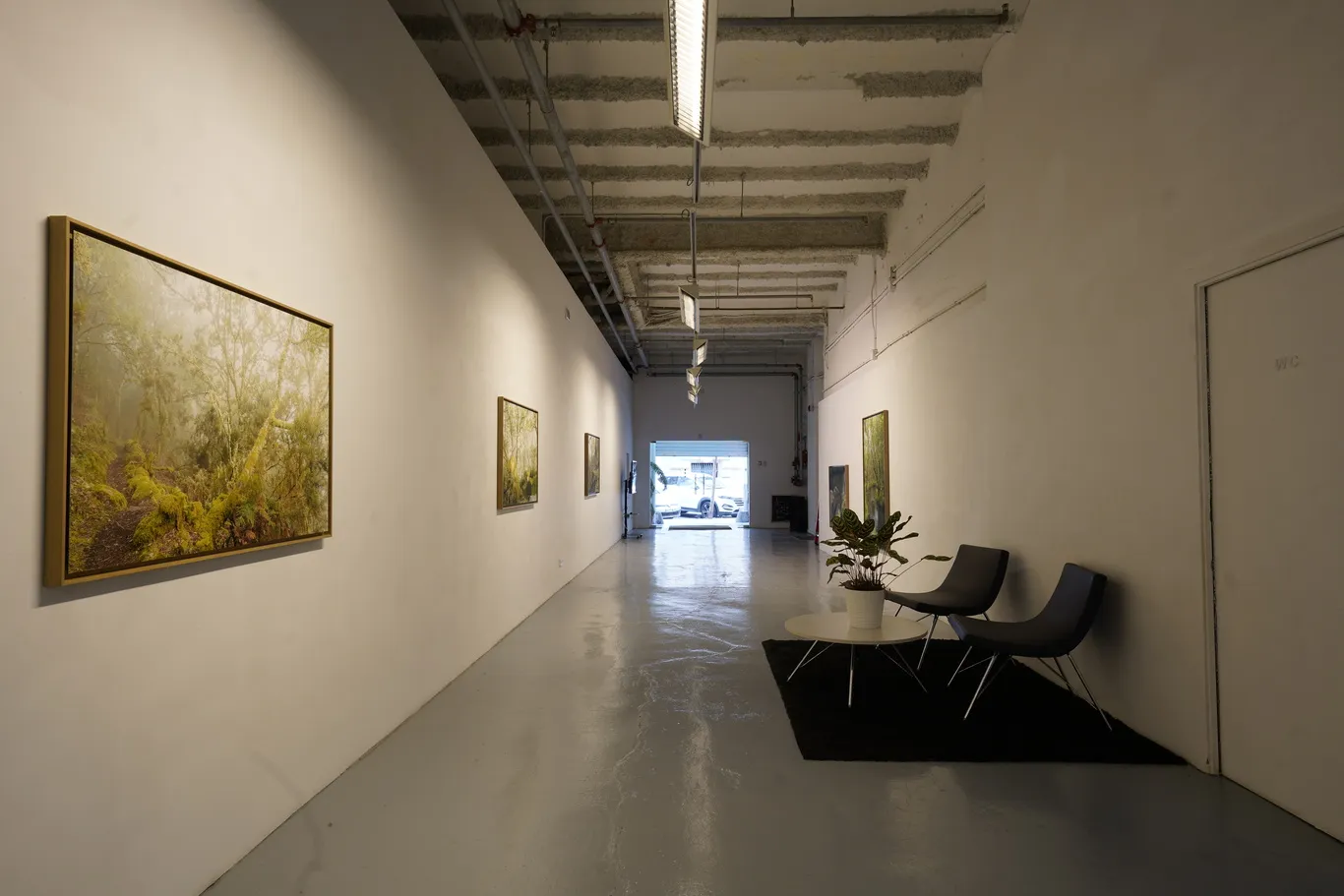
De nuevo, El Bosque Animado nos enfrenta a una dualidad. Lejos del efectismo o del alarmismo visual, se ha elegido el susurro. La niebla desdibuja los contornos, las texturas vegetales dominan los encuadres, la profundidad desaparece: no hay un punto de fuga que nos saque del bosque. Estamos dentro.
Cada fotografía es un umbral: al pasado, sí, pero también a una posibilidad de futuro. Porque en este bosque aparentemente estático habita una potencia que resiste a ser convertida en recurso. Frente a la lógica extractiva del presente, estas imágenes nos devuelven una idea antigua y radical: que la naturaleza no necesita ser salvada, sino dejada en paz. Que tal vez la forma más profunda de ecología sea mirar sin intervenir, observar sin poseer.
La autora ofrece, en esta serie, una mirada lúcida y afectiva sobre un paisaje que aún persiste. Sus fotografías no son nostalgia, sino advertencia. No son celebración, sino reencuentro.
El Bosque Animado does not document a landscape: it inhabits it. The series transports us to the heart of the Galician Atlantic forests, a territory marked by humidity, shadow, moss and fog, where time seems to stand still and the vegetal density holds an even denser memory.
In these environments, oaks, birches, hollies and chestnuts coexist with lichens, ferns and roots that creep through the leaf litter. There is no spectacle, no monumentality, no heroic gesture. There is presence. And within that presence, a form of resistance. Faced with the advance of eucalyptus monocultures — a fast, profitable and voracious tree — the traditional forest endures as a living form of knowledge.
For decades Galicia has been undergoing an accelerated landscape transformation in which the old deciduous woods have been displaced by foreign species of intensive growth. Eucalyptus, planted to supply the paper industry, have altered water cycles, impoverished soils and reduced biodiversity. The replacement of the diverse by the uniform is not only ecological: it is also symbolic. What disappears is not only an ecosystem but a way of relating to the land, a culture of care, slow time and connection.
El Bosque Animado intentionally echoes the Galician popular imagination and pays tribute to the famous novel by Wenceslao Fernández Flórez. In his work, the forest of Cecebre is a living organism where trees and animals think, feel and remember. The author recovers that literary echo through photography, not to depict an enchanted world, but to emphasize that the forest remains a subject and not an object. A space with its own voice, with history, with a right to exist without being instrumentalized.
Again, El Bosque Animado confronts us with a duality. Far from spectacle or visual alarmism, the choice has been for the whisper. The fog blurs contours, vegetal textures dominate the frames, depth disappears: there is no vanishing point that leads us out of the forest. We are inside.
Each photograph is a threshold: to the past, yes, but also to a possible future. Because in this seemingly static forest dwells a force that resists being turned into a resource. Against the extractive logic of the present, these images return to us an old and radical idea: that nature does not need to be saved, but left in peace. That perhaps the deepest form of ecology is to look without intervening, to observe without possessing.
In this series the author offers a lucid and affective gaze on a landscape that still persists. Her photographs are not nostalgia, but warning. They are not celebration, but reunion.